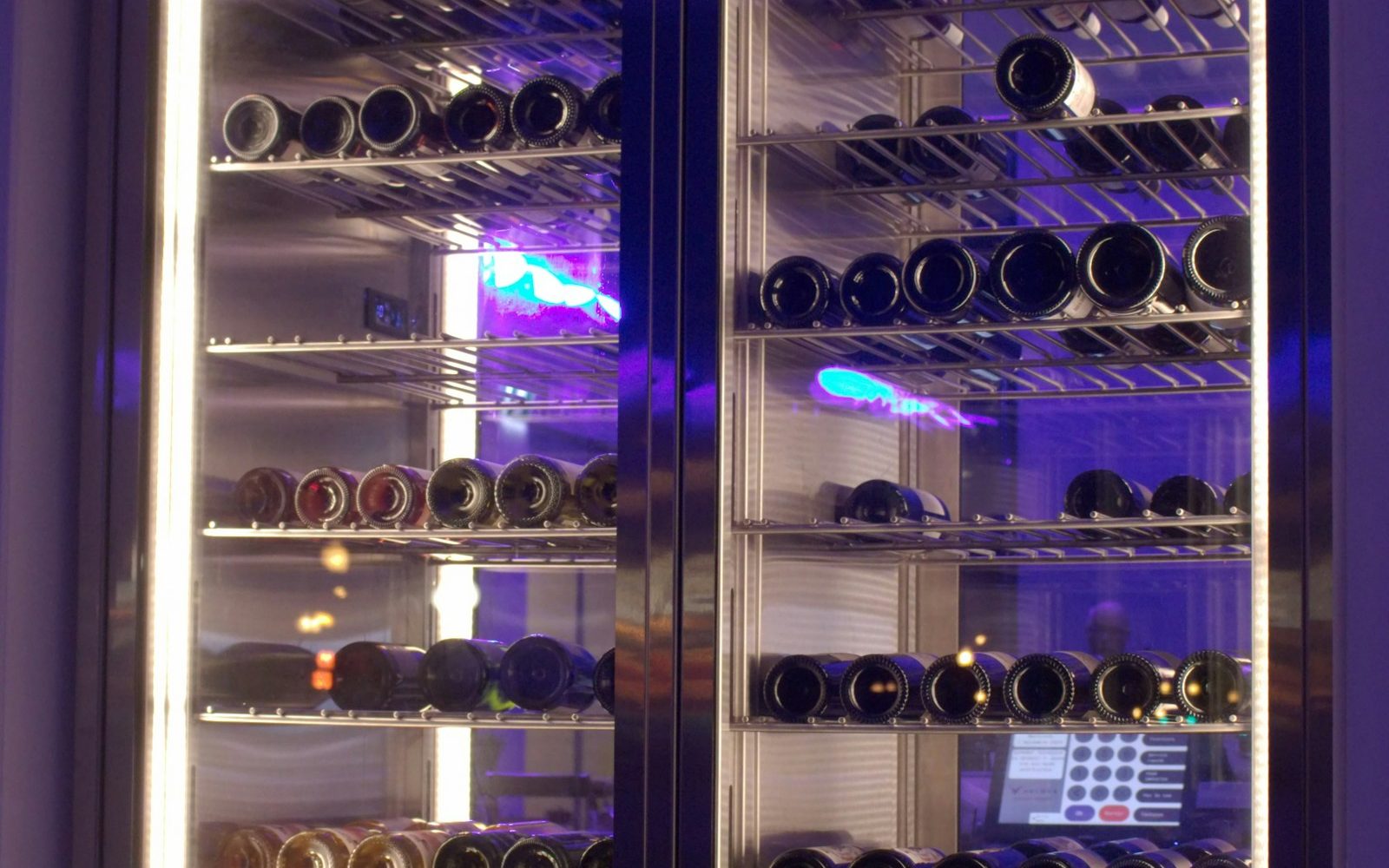
A wine fridge at home or a professional cellar?
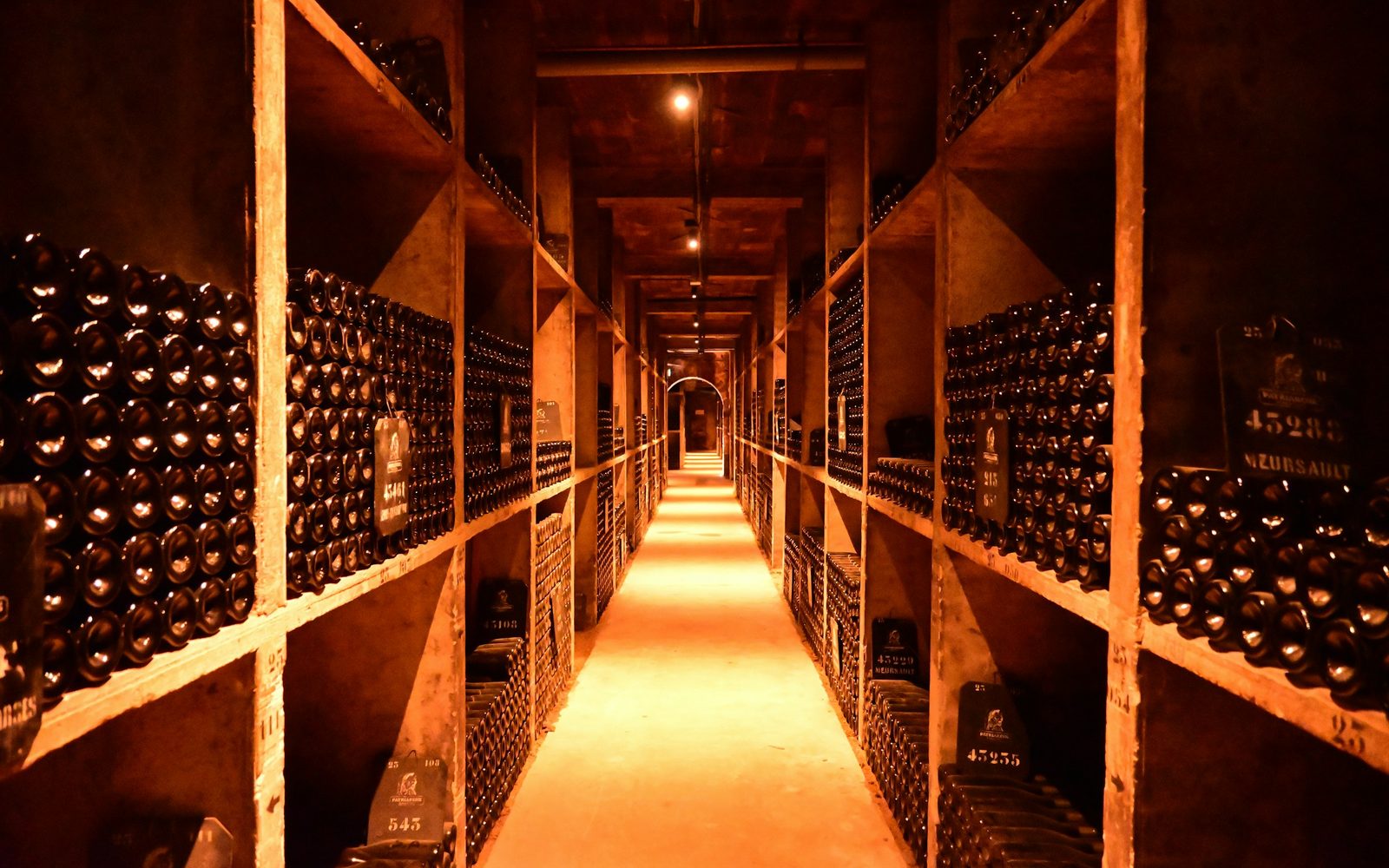
A wine fridge suits a small collection you plan to drink soon, with every bottle close at hand. A professional cellar suits a larger or more valuable collection, or wine you plan to keep for years: conditions are more stable, but you go to the cellar to collect your wine and pay a monthly fee. Many collectors use both, keeping everyday wine at home and wine for long-term storage in a cellar.

In this article
How they compare
| Wine fridge | Professional cellar | |
|---|---|---|
| Cost | A one-off purchase, plus electricity and repairs | A monthly fee, sometimes plus a management fee |
| Capacity | Limited by space at home; stated capacity is usually in Bordeaux bottles | Choose a size to suit your collection |
| Temperature stability | Depends on the model and the room; a thermoelectric fridge may struggle to hold the right temperature in a hot room | Designed for wine, and generally at a constant temperature all year |
| Humidity | Some models have humidity control | Generally humidity-controlled |
| Breakdowns | A fault may go unnoticed for a while | Depends on the service; conditions are generally monitored |
| Access | Any time, at home | You go to the cellar, within its access hours |
| Security | Your home security | Generally controlled entry and monitoring |
| Collection records | You keep them yourself | Depends on the service |
When a wine fridge makes sense
- You have no more than a few dozen bottles
- You will drink most of them within a year or two
- You have a well-ventilated spot at home, away from heat
- You want to be able to take a bottle any time
When a professional cellar makes sense
- Your collection keeps growing and your wine fridge is full
- You have more valuable wines you plan to keep for years
- You travel often and can't check your wine fridge regularly
- You may sell some wine later and want a proper record of how it was stored

How to compare the costs
- Wine fridge: purchase price ÷ expected years of use, plus a year's electricity. Count capacity as the number of bottles it really holds.
- Cellar: monthly fee × 12, plus any other annual fees.
- Divide each yearly cost by the number of bottles it holds to get a cost per bottle per year.
Beyond the numbers, also weigh the risk of your wine being damaged, and the space a wine fridge takes up at home.
Using both
Keep the wine you will drink in the next month or two in a wine fridge and the wine to keep for the long term in a cellar, and bring bottles home as they approach their drinking window. That way everyday drinking stays convenient and your most valuable wine is at less risk.

About SenseCellar
- Plans range from about 4 to 36 cases, from HK$450 a month (on a 24-month term, plus a management fee). See the Storage plans page for details.
- The cellar is kept at a constant temperature and humidity, with temperature and humidity monitoring, so conditions stay stable all year round.
- Modulo X and V members have 24-hour biometric self-access; Modulo I members can book a time during opening hours to store or collect their wine.
Sources
- NewAir: What is a thermoelectric wine fridge?newair.com
- Home Depot: Wine coolers buying guidehomedepot.com
- Wine Spectator: My wine fridge broke. Are my wines ruined?winespectator.com