What to look for when buying a wine fridge
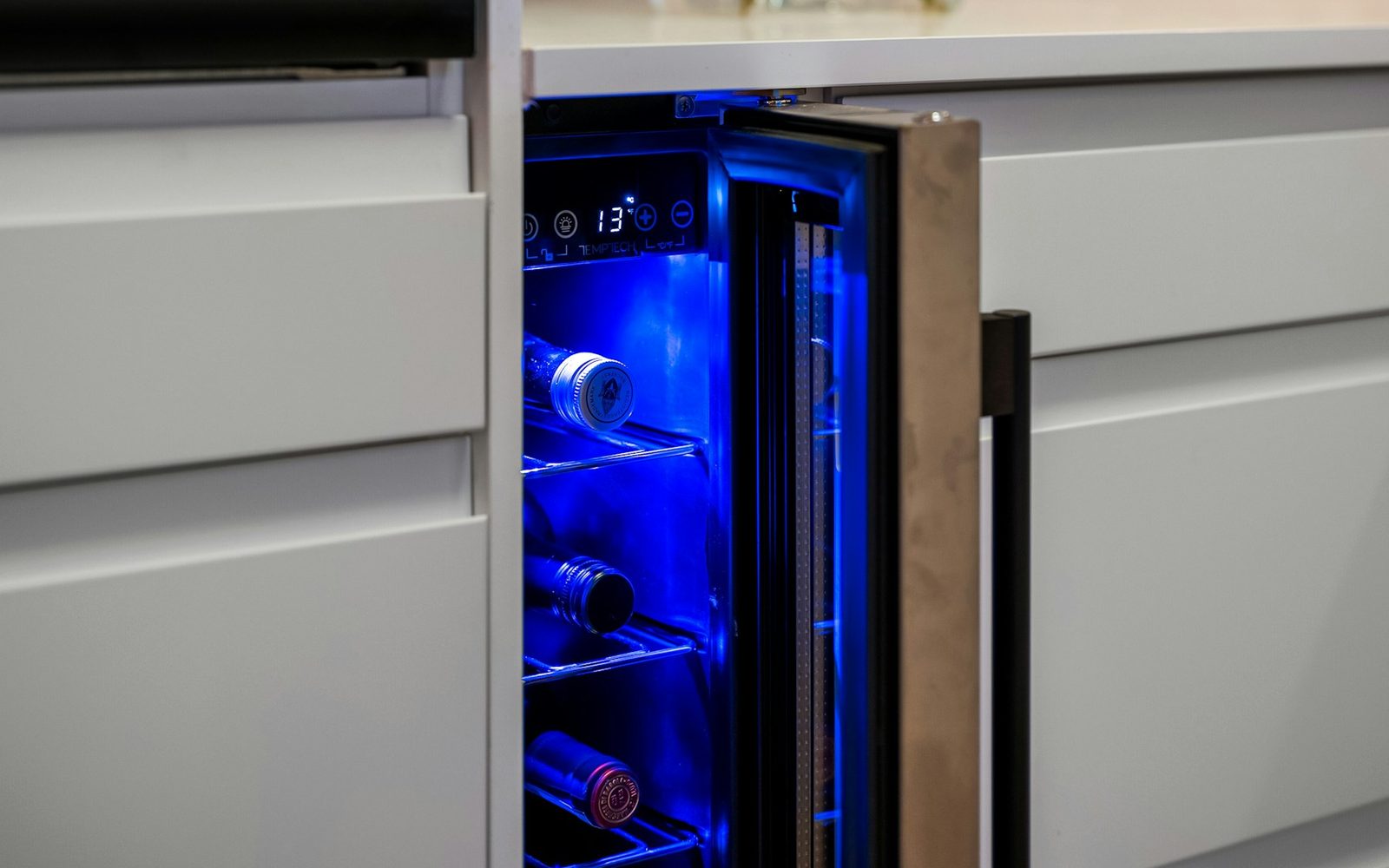
When choosing a wine fridge, start with how it cools. A compressor fridge cools more powerfully and copes better with Hong Kong's hot summers; a thermoelectric fridge is quieter and hardly vibrates, but may struggle to hold the right temperature once the room is above about 27°C. Then consider capacity, one or two temperature zones, freestanding or built-in, and details such as a UV-resistant glass door.

In this article
Compressor or thermoelectric?
| Compressor wine fridge | Thermoelectric wine fridge | |
|---|---|---|
| Cooling power | Stronger; can reach lower temperatures | Weaker; usually only down to about 10°C |
| Hot rooms | Copes better | May struggle to hold about 13°C once the room is above about 27°C |
| Vibration and noise | Vibrates, and is louder when running | Hardly vibrates; quieter |
| Power use | Generally higher | Generally lower |
| Capacity | More models, larger capacities | Usually smaller |
| Temperature inside | Can vary more between top and bottom shelves | More even throughout |
Hong Kong's mean summer temperature is about 28–29°C. If the wine fridge will stand in a room without air conditioning during the day, a compressor model is the safer choice.
One temperature zone or two?
- Single zone: the whole fridge is at one temperature, which suits long-term storage.
- Dual zone: two temperatures, so you can keep white and red wines at their different serving temperatures at the same time.
If you mainly want long-term storage, a single zone is enough, because red, white and sparkling wines can all be stored at about 13–16°C.
Freestanding or built-in?
- Freestanding: vents heat from the back or sides, so it needs space around it and should not be squeezed into a cabinet.
- Built-in: vents heat from the front, so it can be fitted into kitchen cabinets.
Capacity
- The stated capacity is usually based on standard Bordeaux bottles; fewer Burgundy, Champagne and large-format bottles will fit.
- Base your estimate on the wine you have now plus what you expect to buy over the next year or two.
- Check whether the shelves can be adjusted to fit different bottle shapes.
Other details
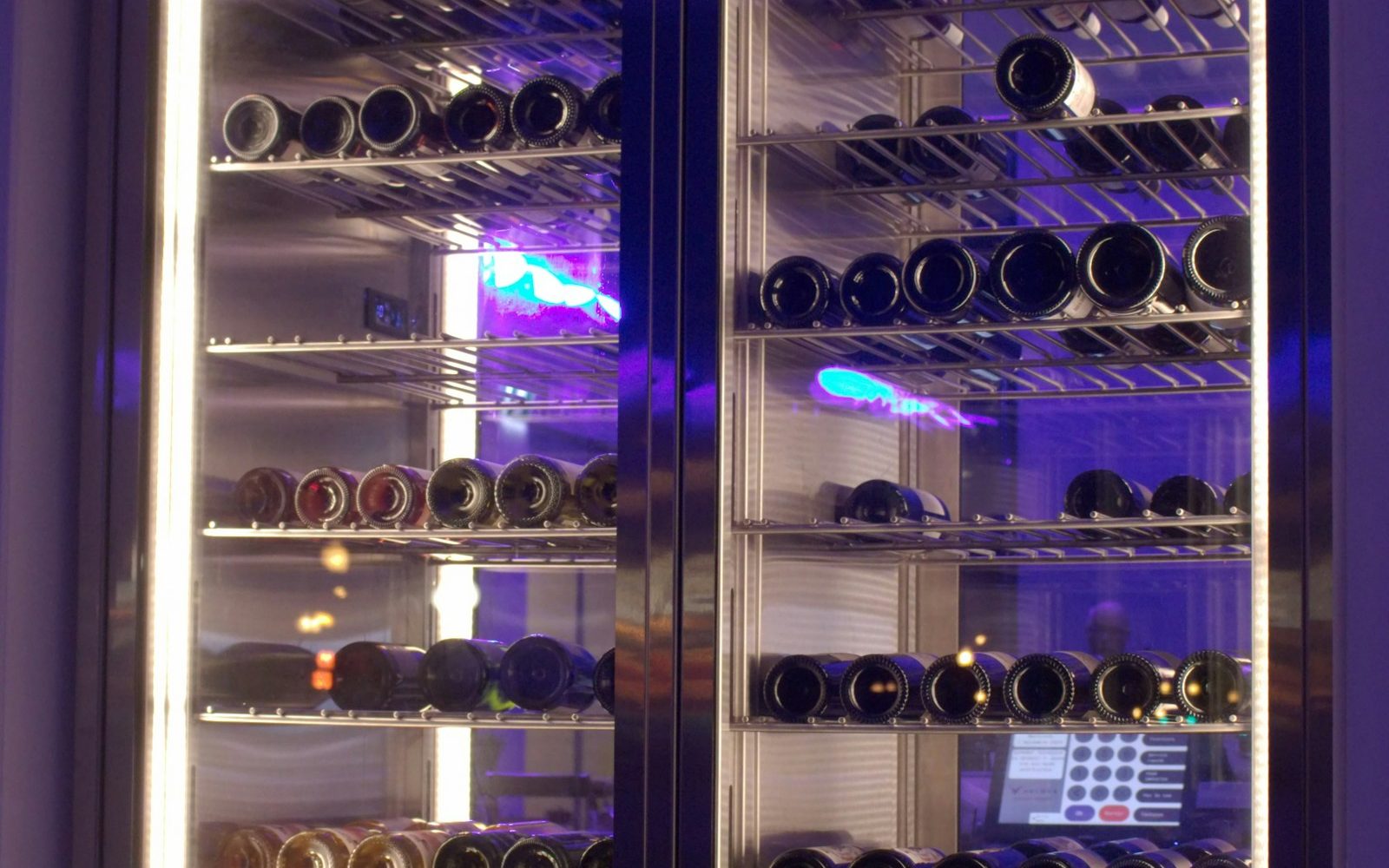
- Glass door: choose UV-resistant or multi-layer glass to reduce the effect of light.
- Humidity: check whether it has humidity control or is designed to hold humidity.
- Lock: especially useful if you have children at home.
- Noise: if it will be in a bedroom or living room, listen to how loud it is when running.
- Door hinge: a door that can be switched to open from either side gives you more freedom where you put it.
Placement and care
- Put it somewhere well ventilated, away from sunlight and heat.
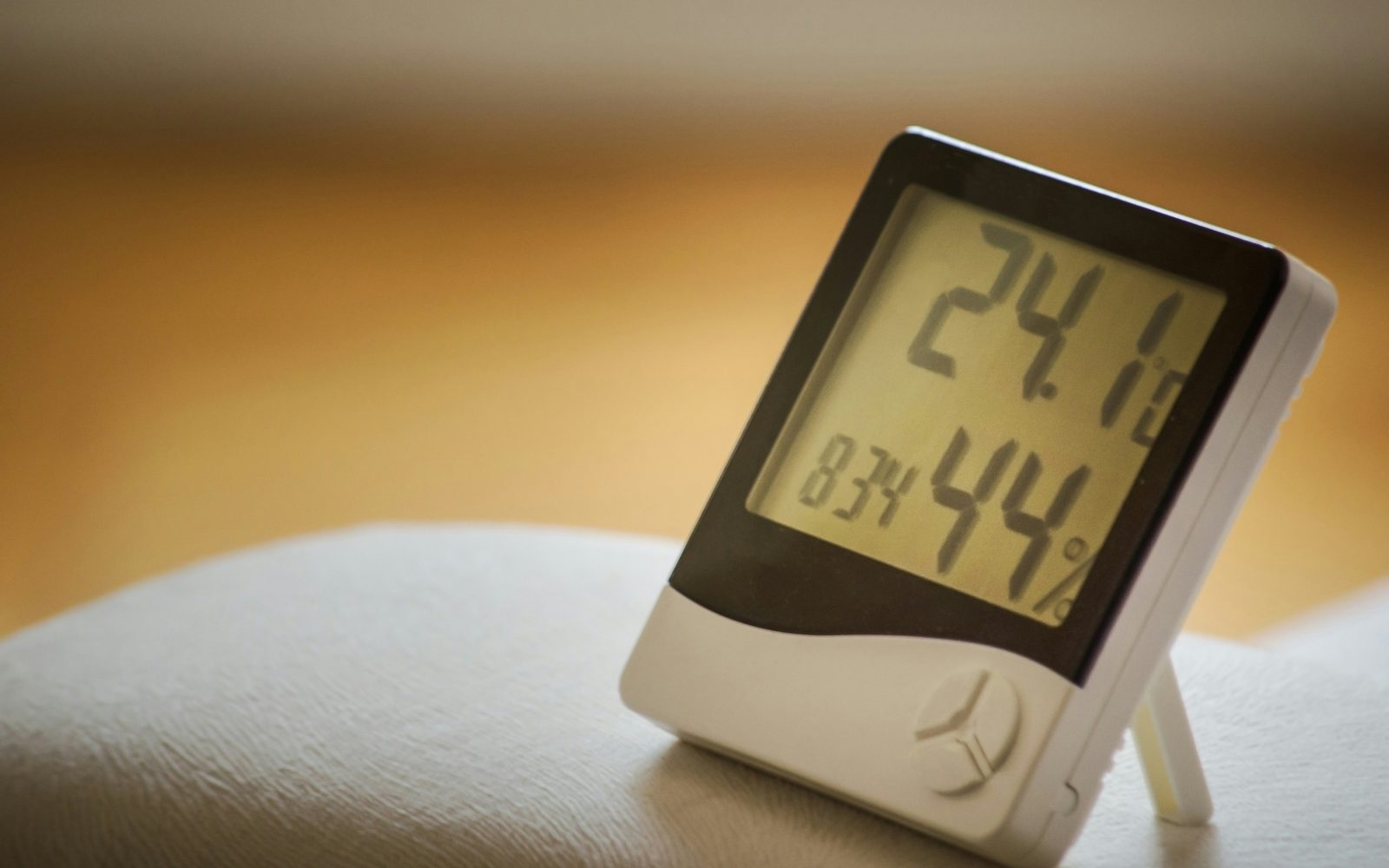
- Keep a separate thermometer inside to check that the temperature display is accurate.
- Clean the dust off the condenser grille every 6 to 12 months.

About SenseCellar
If your collection has outgrown your wine fridge, or you have wines to keep for the long term:
- The SenseCellar cellar is kept at a constant temperature and humidity, with temperature and humidity monitoring, so conditions stay stable all year round.
- Plans range from about 4 cases to 36 cases, so you can choose by the size of your collection.
Sources
- NewAir: What is a thermoelectric wine fridge?newair.com
- Home Depot: Wine coolers buying guidehomedepot.com
- EngineerFix: Why is my wine fridge not cooling?engineerfix.com
- Hong Kong Observatory: Climatological normals (1991–2020)hko.gov.hk