
Wine storage, investment and tasting know-how
Storage conditions
Temperature, humidity and how to lay down wine in Hong Kong, and choosing between a wine fridge and a cellar.
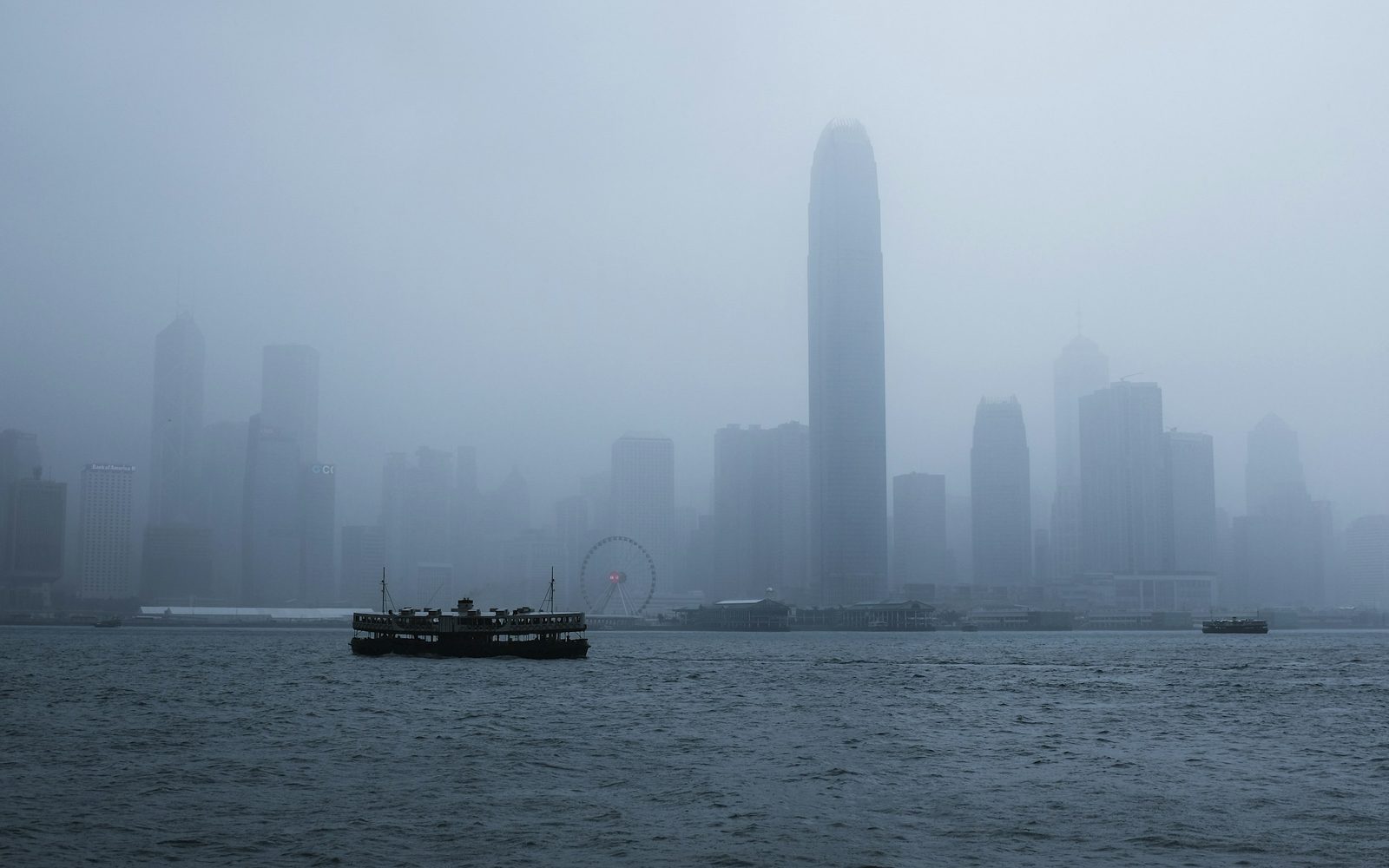
How should you store wine in Hong Kong's humid weather?
Hong Kong's mean relative humidity is about 78% over the year, and 81–83% from March to August, above the 50–80% generally recommended for storing wine. Wine keeps best at about 13–16°C and around 70% humidity, at a steady temperature. In Hong Kong homes, humidity mainly makes labels go mouldy; what affects the wine itself more is summer heat and the daily temperature swings of switching the air conditioning on and off.
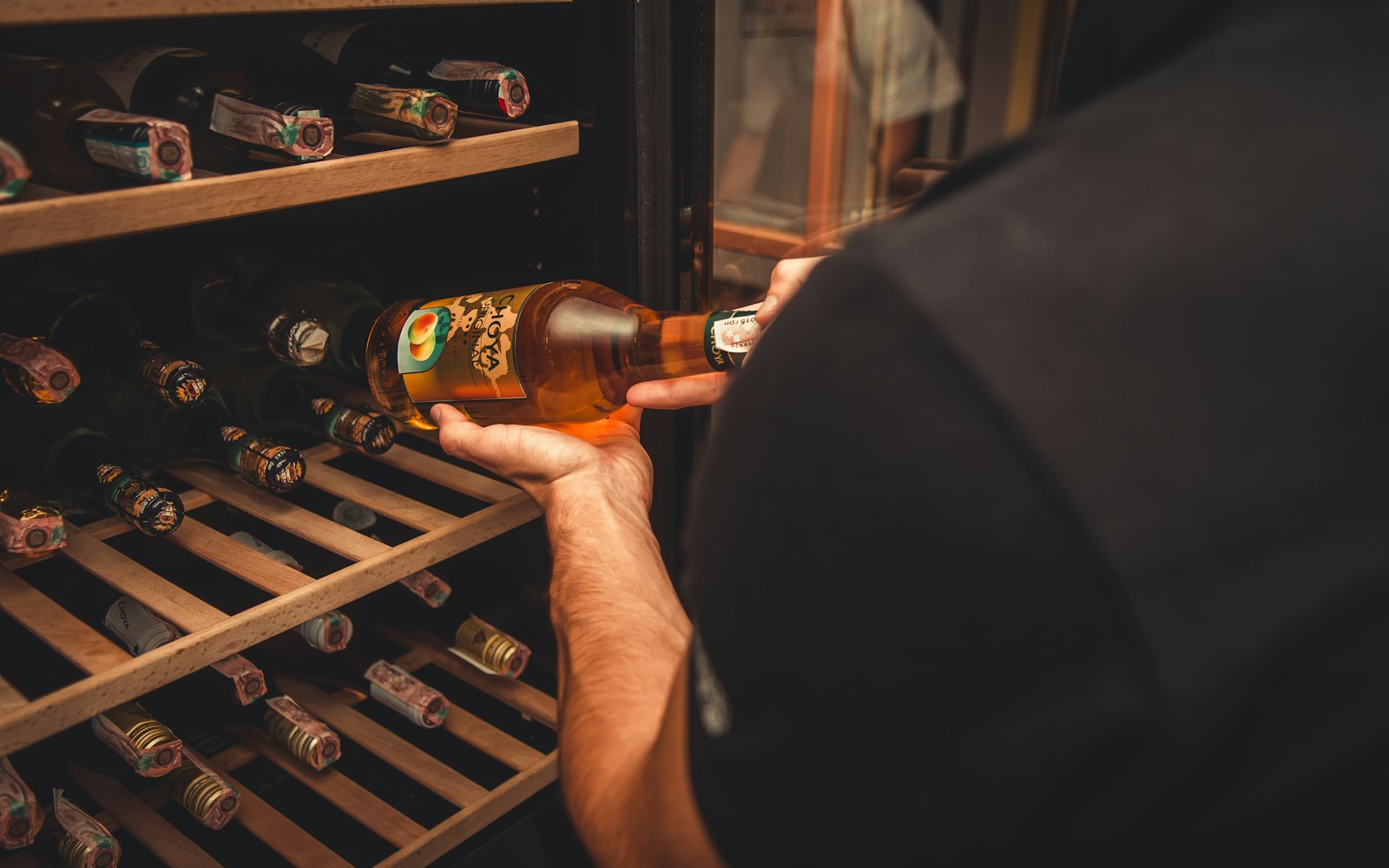
The ideal temperature and humidity for storing wine
Wine is generally best stored at about 13–16°C and around 70% relative humidity (anywhere from 50–80% is safe), kept steady all year. Temperature matters more than humidity: small, short changes do little harm, but storage that is too warm for long periods, or repeatedly heats and cools, ages wine faster and can even make it leak past the cork. Storage temperature is not serving temperature; adjust it to the wine before you open the bottle.
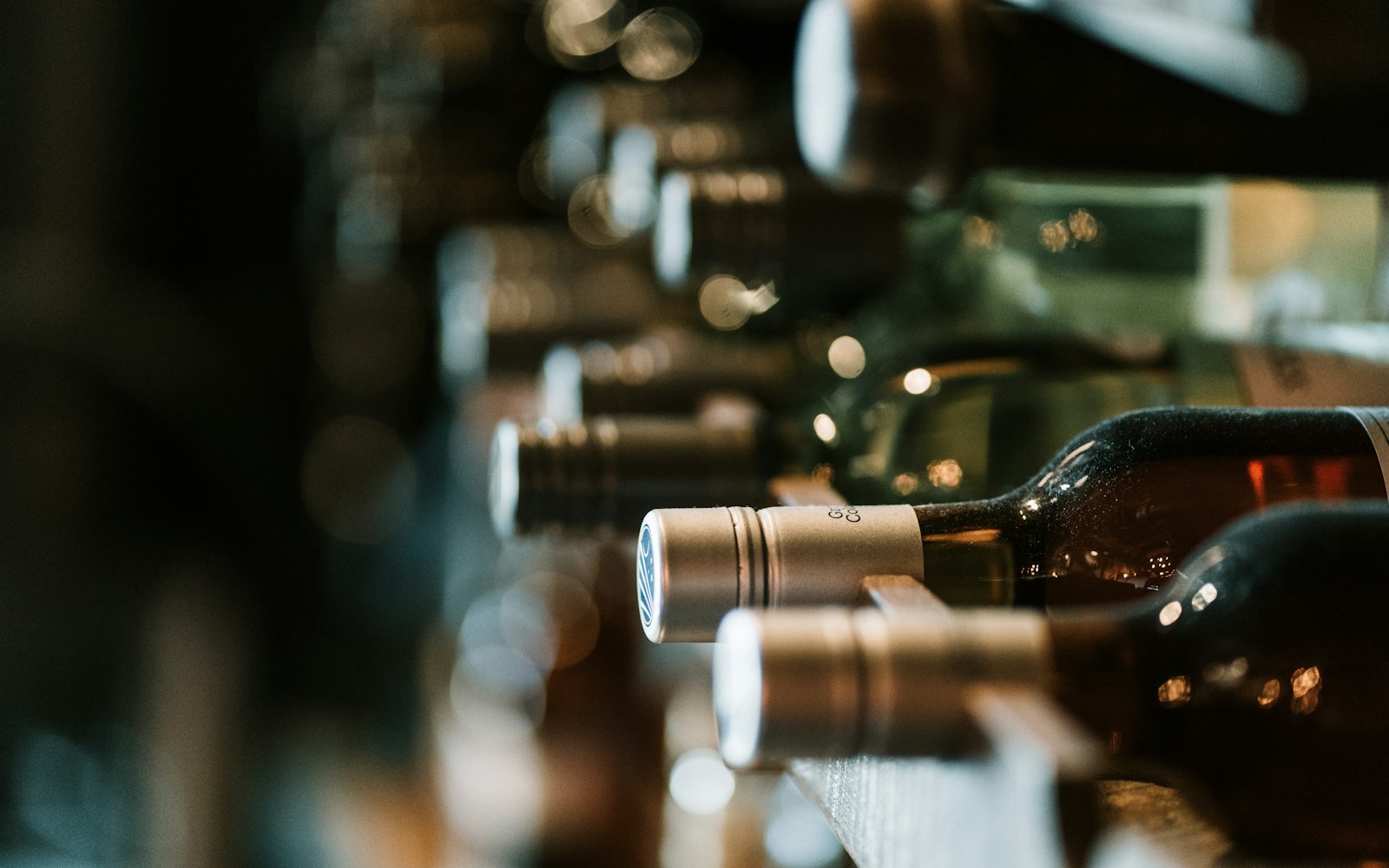
Should wine lie down or stand up? How light and vibration affect it
Bottles sealed with a cork are best stored lying down for the long term, so the wine keeps the cork moist and stops it drying out; screw-cap bottles can lie down or stand up. Light can give wine "lightstrike", and white, rosé and sparkling wines in clear or pale glass are the most at risk. Vibration is best avoided as far as possible, especially for old wines with sediment.
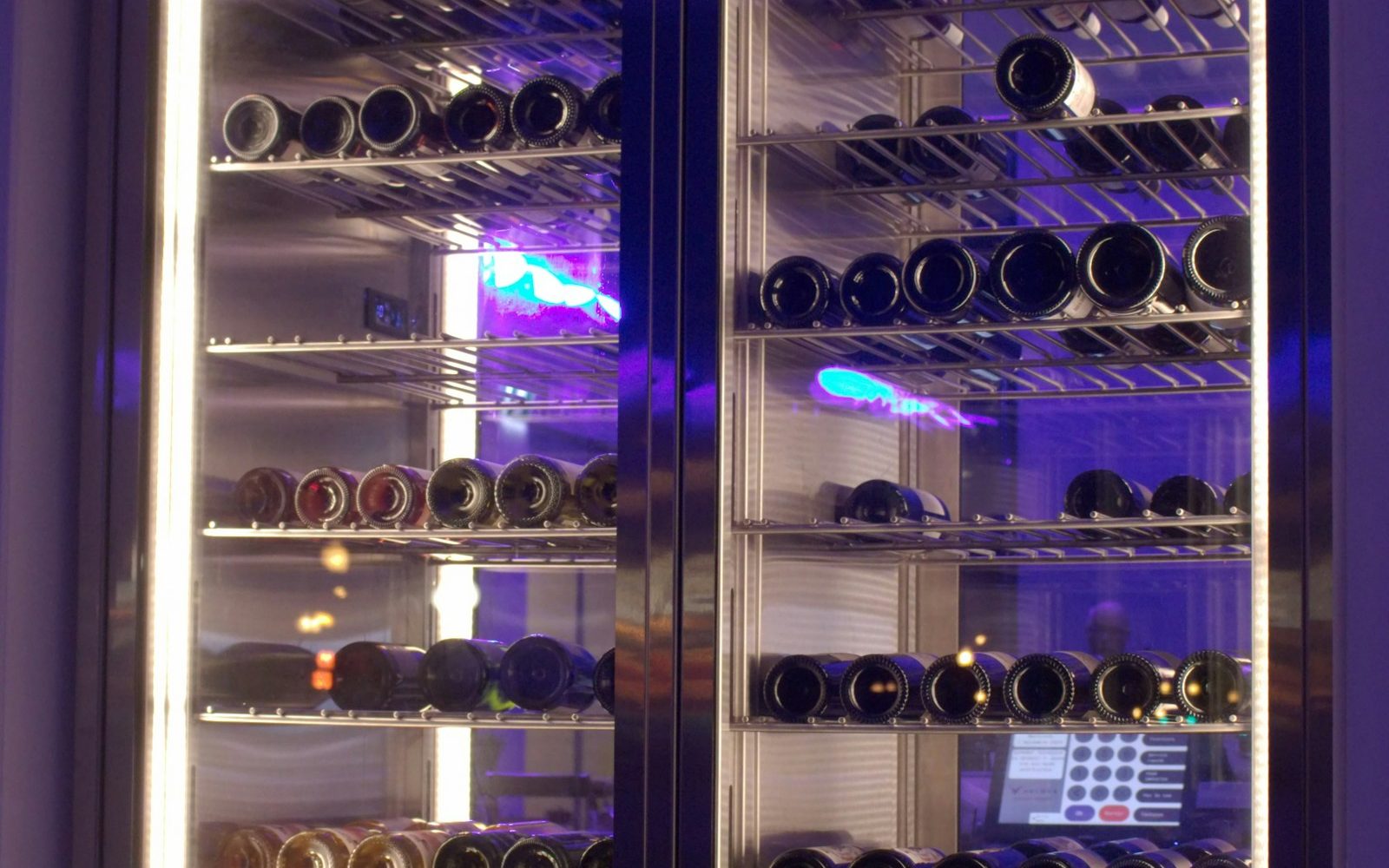
What to look for when buying a wine fridge
When choosing a wine fridge, start with how it cools. A compressor fridge cools more powerfully and copes better with Hong Kong's hot summers; a thermoelectric fridge is quieter and hardly vibrates, but may struggle to hold the right temperature once the room is above about 27°C. Then consider capacity, one or two temperature zones, freestanding or built-in, and details such as a UV-resistant glass door.
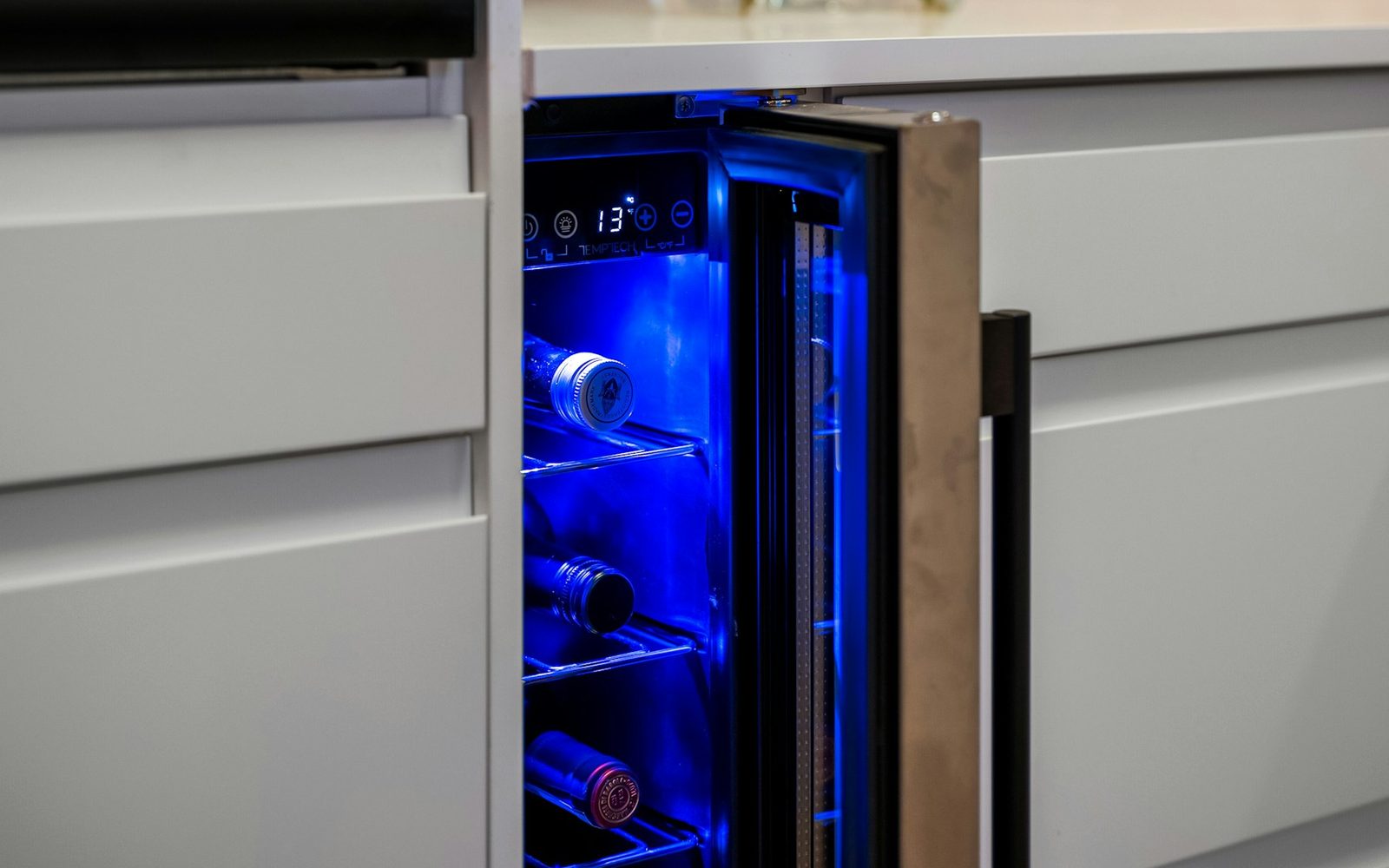
If your wine fridge breaks down, how do you protect your wine?
Like any appliance, a wine fridge can break down without warning. A rise of a few degrees for a short time generally won't spoil wine, but if a fridge fails unnoticed in a Hong Kong summer, the temperature inside gradually climbs towards room temperature, and the wine may suffer heat damage, leak or age faster. The most practical safeguards are a separate thermometer inside the fridge, regular checks and a backup place for your most valuable bottles.
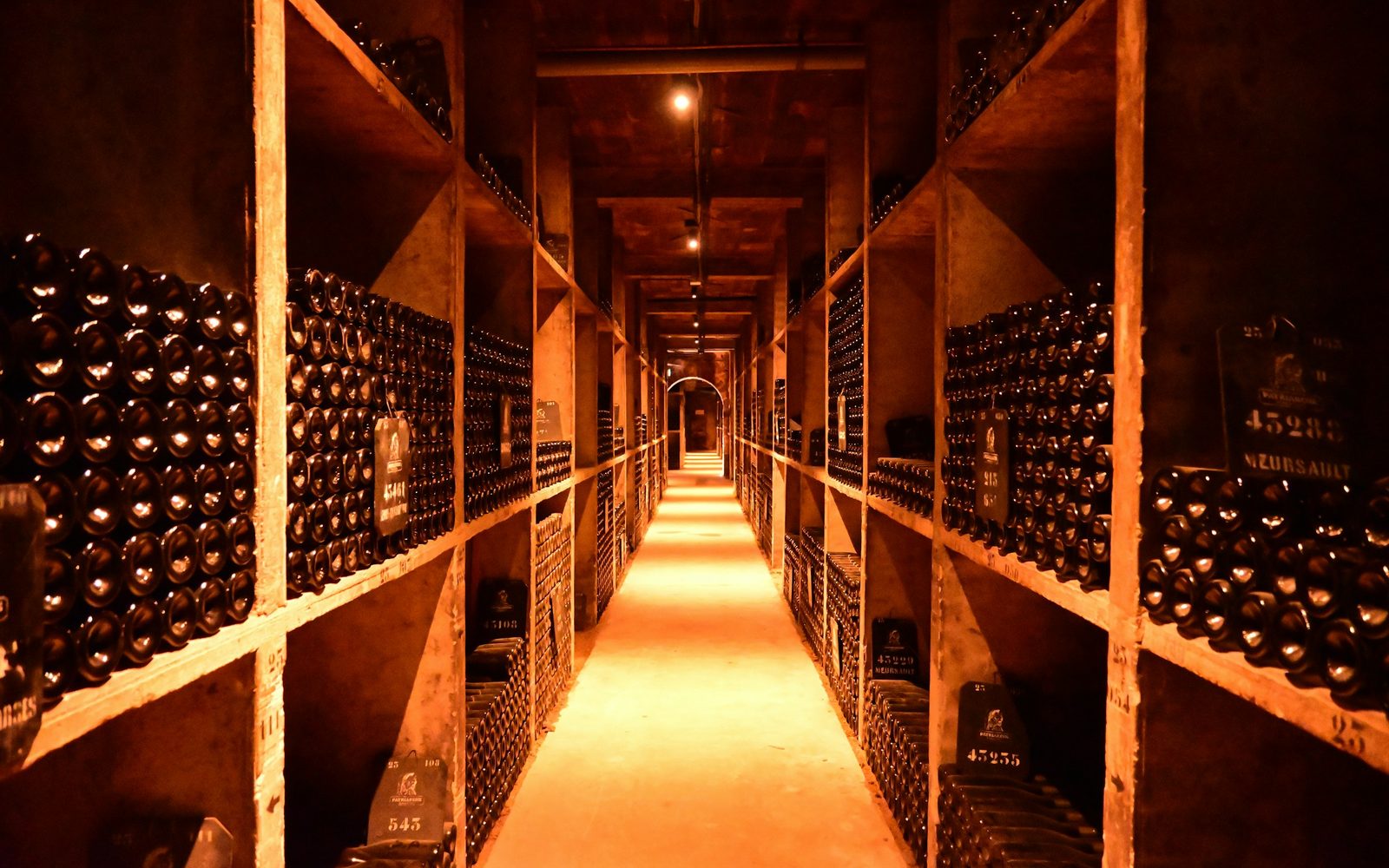
A wine fridge at home or a professional cellar?
A wine fridge suits a small collection you plan to drink soon, with every bottle close at hand. A professional cellar suits a larger or more valuable collection, or wine you plan to keep for years: conditions are more stable, but you go to the cellar to collect your wine and pay a monthly fee. Many collectors use both, keeping everyday wine at home and wine for long-term storage in a cellar.
Caring for a collection
Keeping an inventory, judging a wine's condition and drinking window, and what to do as your collection grows or when you move.
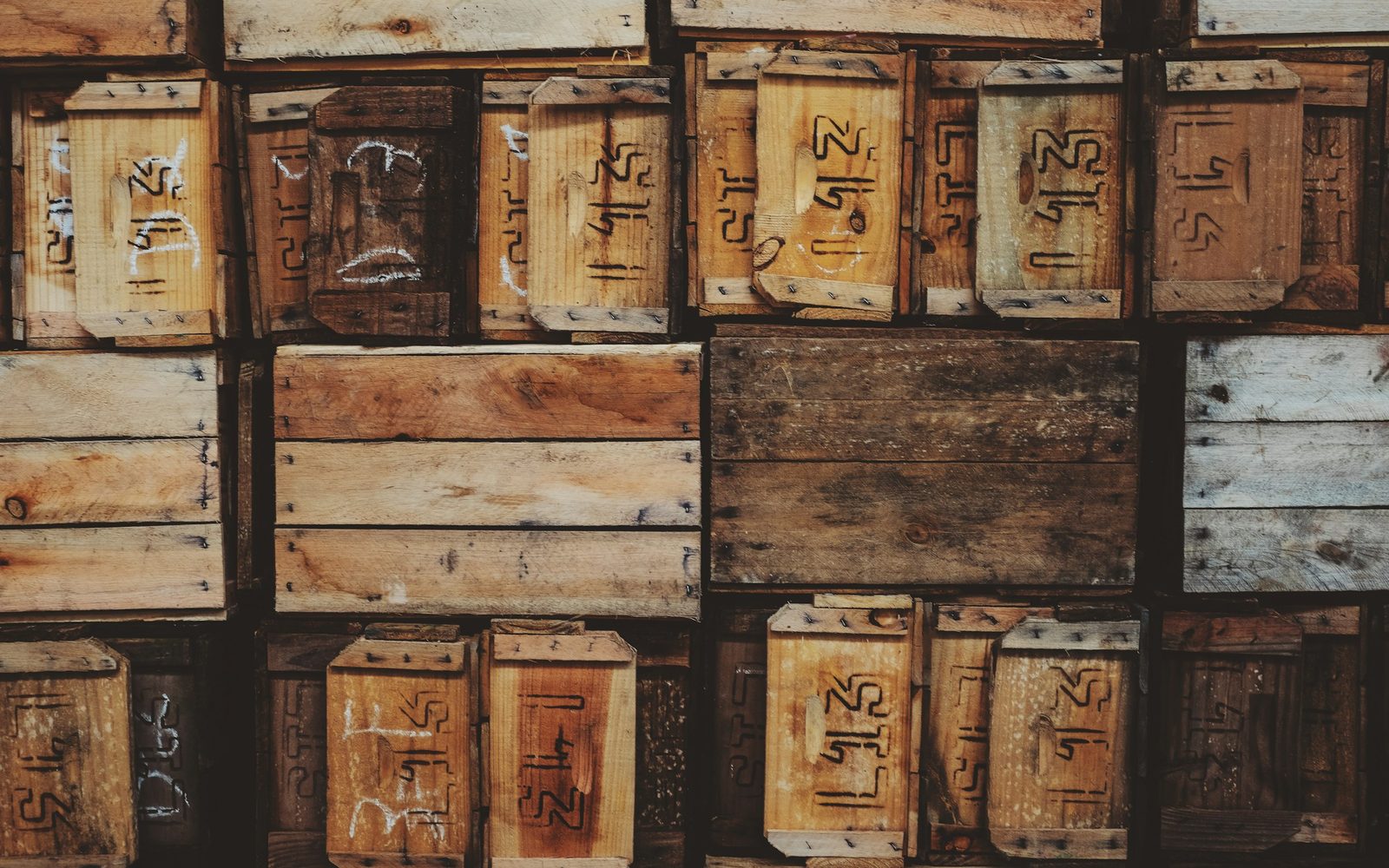
How to keep an inventory of your wine collection
A clear inventory tells you what wine you have, where it is, when it will be ready to drink, and the details of when and where you bought it. At the very least, record the wine's name, vintage, quantity, location and purchase date. A spreadsheet or a wine collection app both work; what matters most is updating it every time a bottle goes in or comes out.
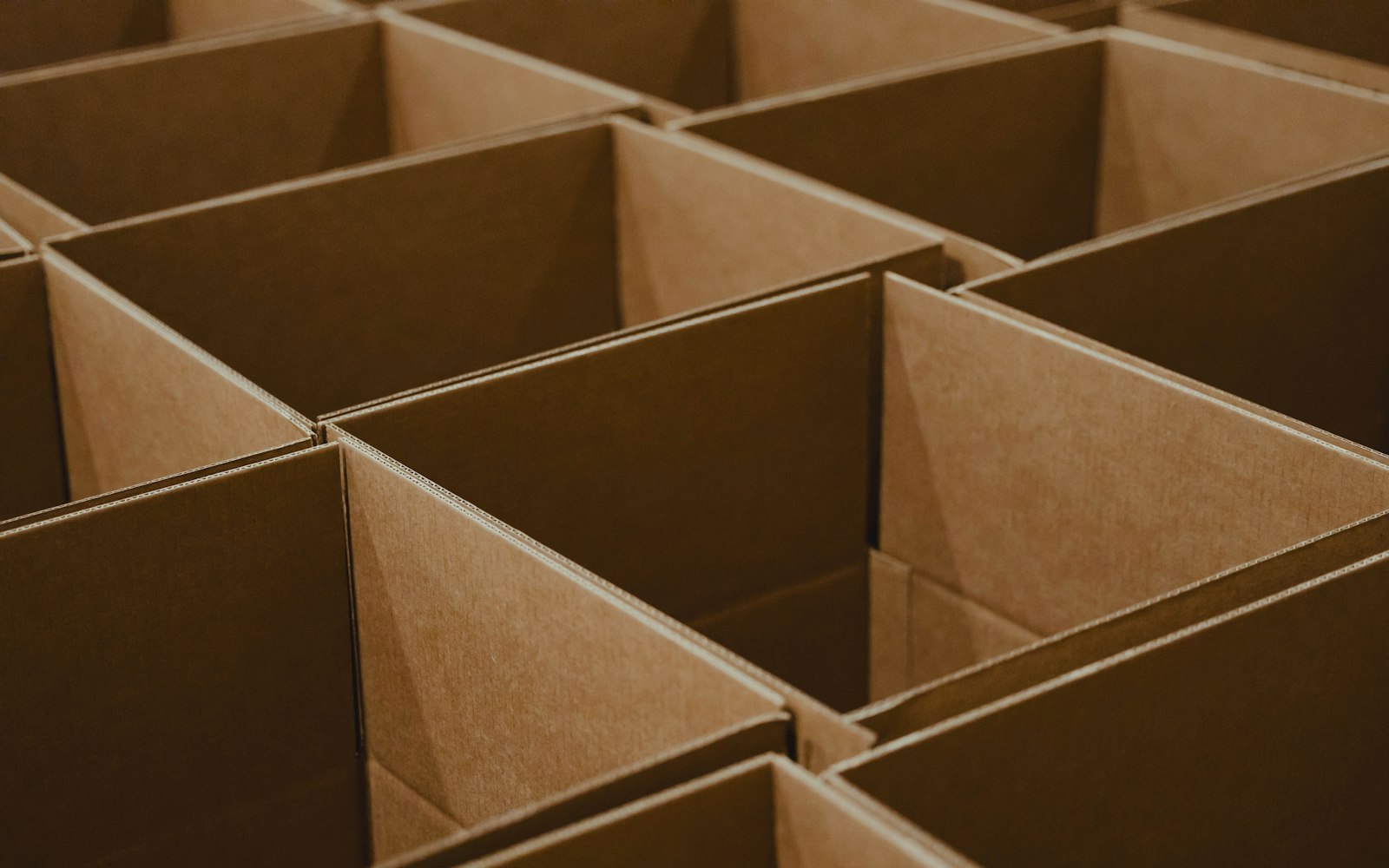
Your collection keeps growing: how should you make room for it?
As a collection grows, a wine fridge soon fills up. Even in a spacious home, Hong Kong's hot and humid weather makes it hard to keep steady temperature and humidity outside a wine fridge all year round. Start by sorting your wine into what to drink soon and what is worth keeping long term, then decide by quantity and how long you will keep it: buy another wine fridge, make better use of space at home, or keep some of your wine in a professional cellar.
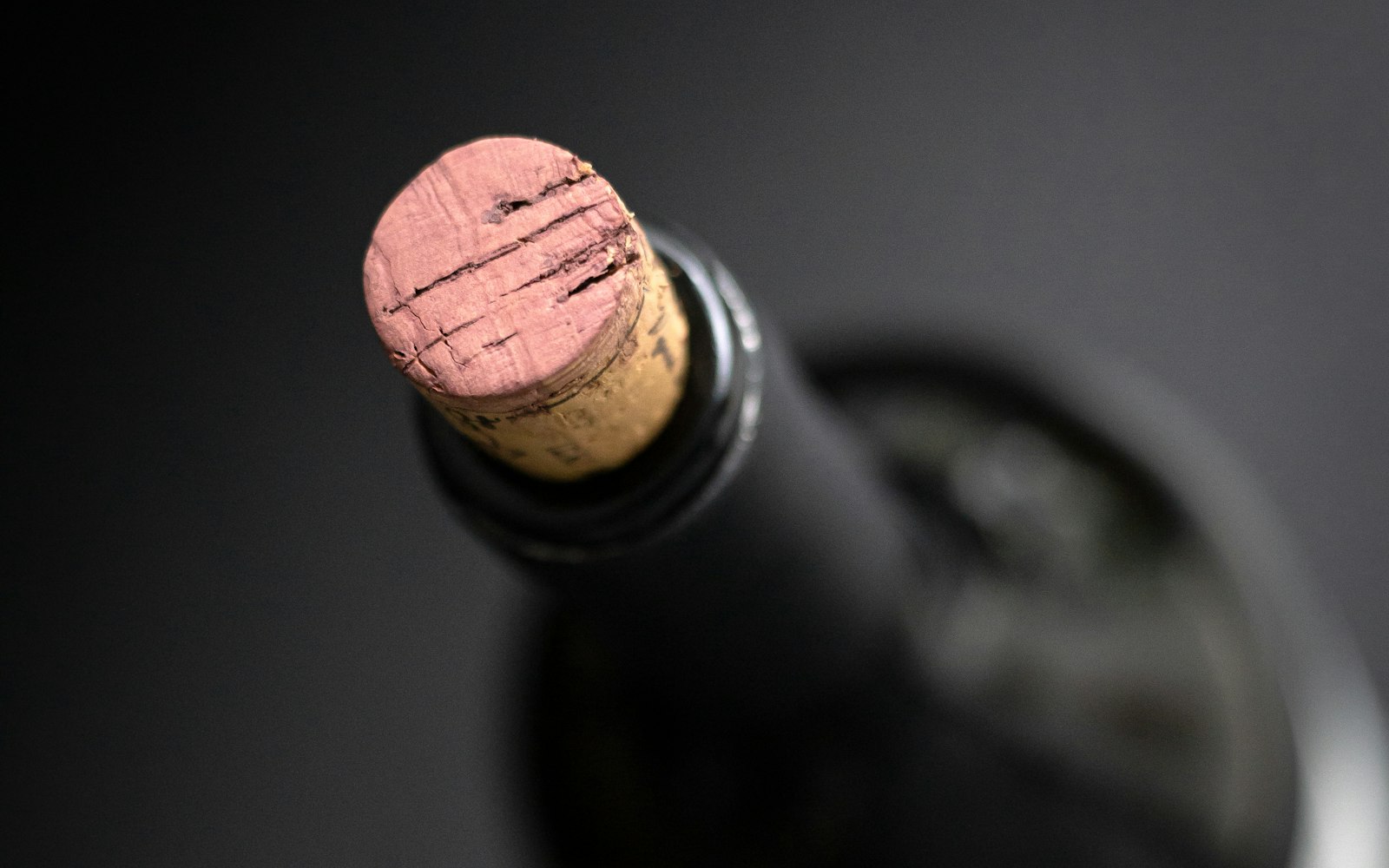
How can you tell if a wine has been damaged by heat?
Common outward signs of heat damage are a cork pushed up out of the neck, wine stains or stickiness on the neck or capsule, and a fill level clearly lower than other wines of the same age. Once opened, heat-damaged wine smells jammy, sweet but unnatural, the fruit tastes cooked or baked, and the finish is short. A bottle that looks fine is not necessarily unharmed, though; the most reliable test is still to open it and taste.
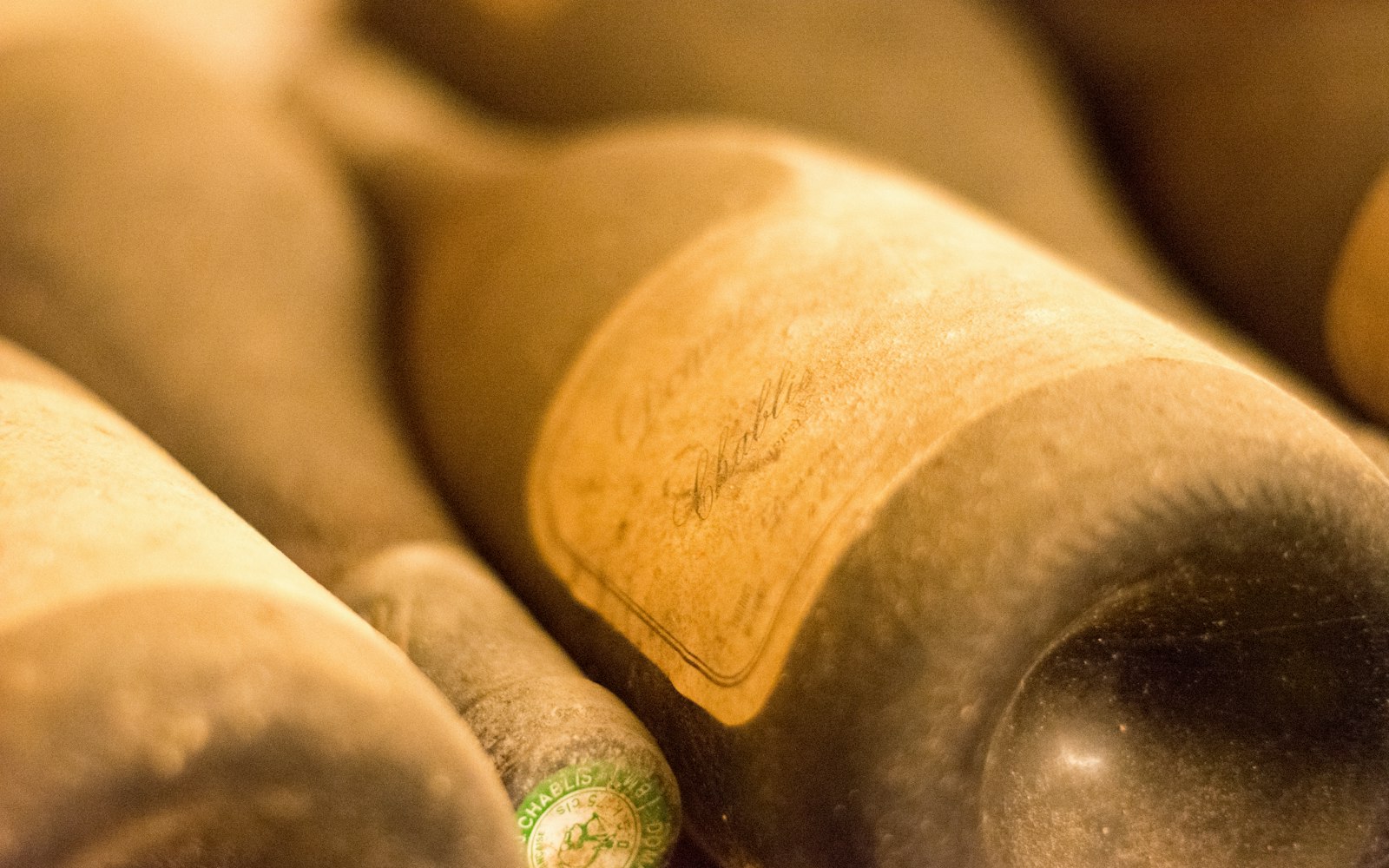
How long can you keep a bottle of wine? How to judge its drinking window
Most wine (about 95%) is not made for long ageing and is best drunk within a few years. Wines with ageing potential usually have higher acidity and plenty of tannin, or more sugar or alcohol: Cabernet Sauvignon can generally keep for 10–20 years, Sauternes for 15–25 years and vintage Port for 50–100 years. To judge the drinking window, follow the producer's and critics' advice, and open a bottle now and then to taste.
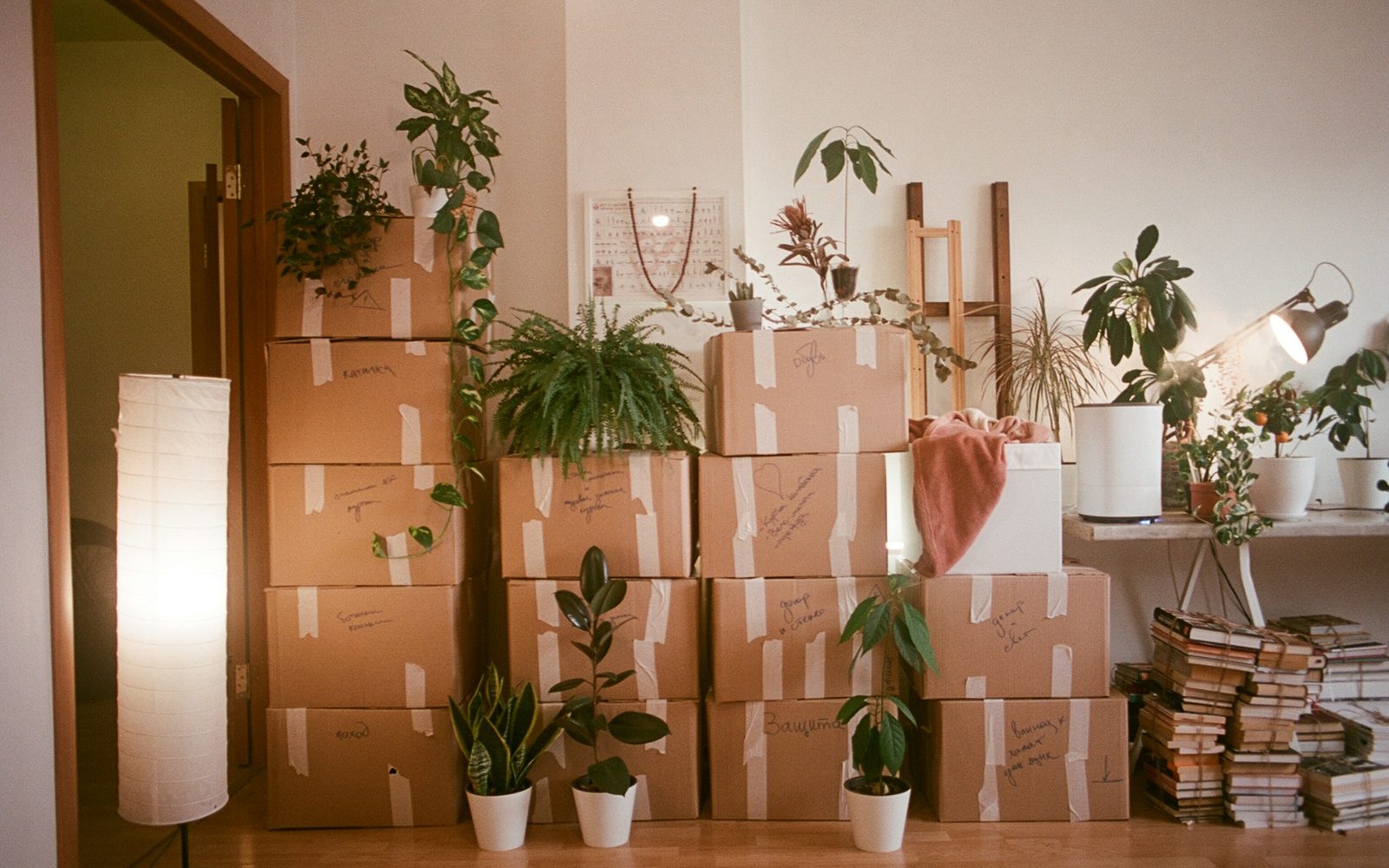
Moving house or going away for a long time: what to do with your wine
When you move house, heat and knocks are the biggest risks to your wine. Avoid moving at midday in summer, pack bottles in their original wooden cases or in cartons with dividers, and keep the time the wine spends in the van as short as possible. Transport old wines upright, and let them rest for a while before opening. Before a long trip, make sure your wine is somewhere stable and that you have a way to know if the temperature goes wrong.
Enjoying your wine
Serving temperature, decanting, tasting basics, choosing wine for a gathering, keeping opened bottles and pairing with food.
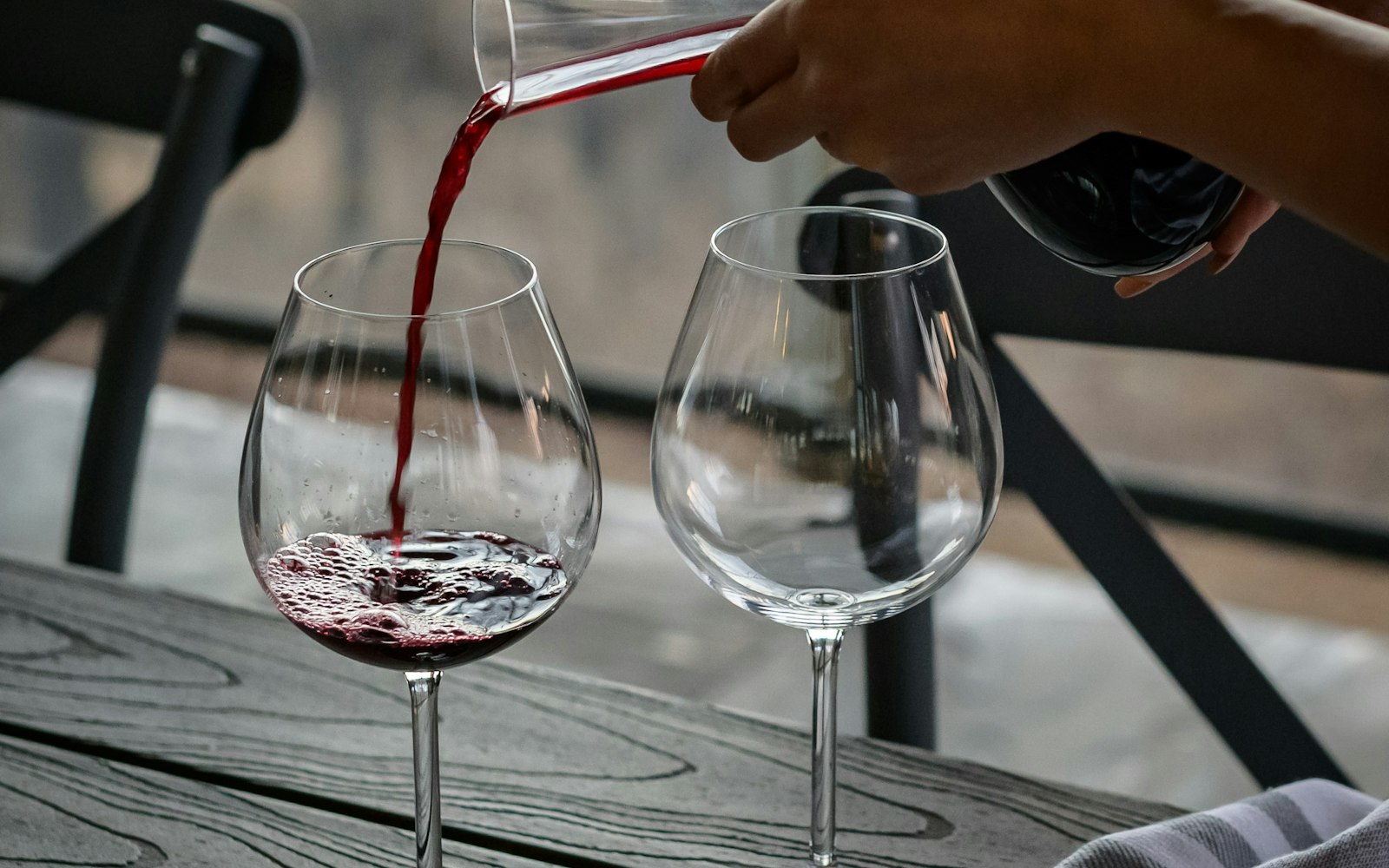
How to enjoy a good bottle: serving temperature, decanting and glasses
Sparkling wine is generally best served at 5–7°C, white at 8–12°C and red at 12–18°C; the lighter the wine, the cooler it should be. Room temperature in Hong Kong is often too high, so a red served "at room temperature" is easily too warm; chill it a little first. Young, full-bodied reds can be decanted for up to about two hours, while lighter or older reds are best given no more than 30 minutes.
Wine tasting for beginners: how to taste and describe wine
Tasting wine comes down to four steps: look, smell, taste and think. Observe the colour, swirl the glass and smell, then take a small sip and notice the sweetness, acidity, tannin, alcohol, body and finish. Finally, decide whether the wine is balanced and whether you like it. Compare and take notes often, and you will gradually build your own tasting vocabulary.
Getting together with friends and family: how to choose wine for the occasion
When choosing wine for a gathering, start with the food. With many dishes on the table, sparkling wine goes with almost everything; for spicy food, choose a white with a touch of sweetness rather than a red with strong tannins and high alcohol; duck goes well with a fruity Pinot Noir. A 750ml bottle pours about 5 to 6 glasses, and in Hong Kong's heat an outdoor gathering needs an ice bucket to keep wine cool.
How long does wine keep once opened? How to store leftover wine
An opened red wine, recorked and kept somewhere cool or in the fridge, generally keeps for about 3–5 days; sparkling wine for about 1–3 days, light whites and rosés for about 5–7 days, and fortified wines for up to about 4 weeks. Wine goes off mainly through oxidation and acetic acid bacteria, and the cooler it is kept, the slower the change.
Wine and food pairing for beginners: basic principles and common examples
The basic principle of pairing is to let wine and food balance each other. The wine should be no less acidic than the food, rich dishes suit wines with higher acidity or alcohol, and tannic red wines go best with fatty foods. If you are new to pairing, start with "wine and food from the same place", then experiment with the six elements below.
Wine as an investment
The basics, risks and costs of investing in wine, and how storage records affect resale value.
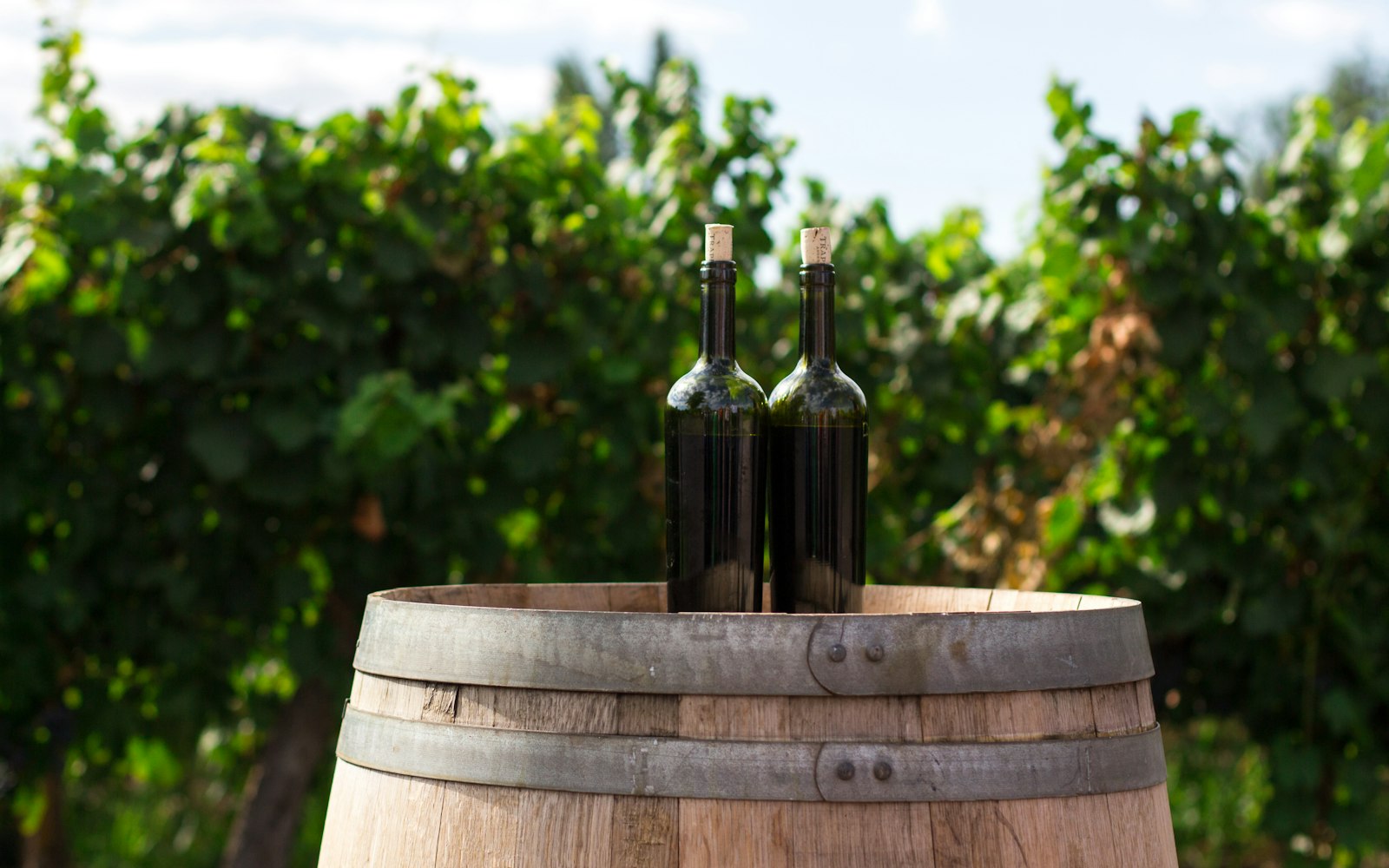
Wine investment for beginners: how to choose wines with investment value
Wines with investment value usually have a few things in common: a respected producer and region, an active secondary market, limited supply, and clear provenance with proper storage. Wine investment also carries risks, including price swings, the time it takes to sell, transaction costs and counterfeits. This article covers general principles only and is not investment advice.
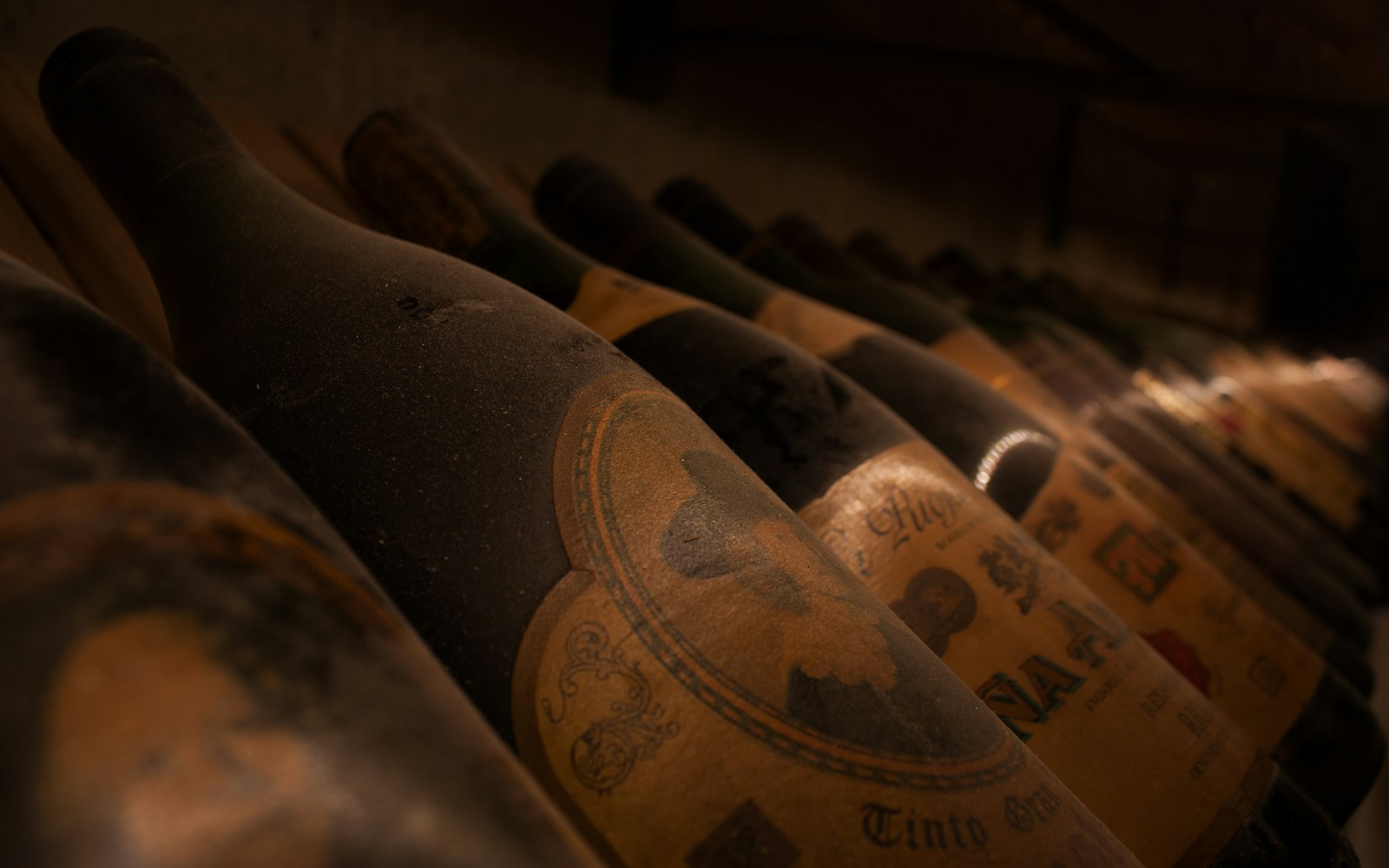
How do storage records affect your wine's resale value?
When you sell wine, buyers and auction houses examine its condition and provenance closely, including the fill level, label, capsule and cork, and whether it is in its original wooden case. Wine with clear provenance that has always been properly stored is often easier to sell and earns more trust from buyers. Keeping purchase receipts and storage records is the simplest way to protect your collection's value. This article is for general information only and is not investment advice.
What are the risks of investing in wine? The costs to know before you buy
The main risks of investing in wine include cyclical price falls, the time it takes to sell, valuations that may not be accurate, problems with condition and provenance, and counterfeits and inflated price claims. Wine pays no dividends: your only return comes from later selling it for more than you paid plus all your costs. This article covers general principles only and is not investment advice.
How do wine auctions work in Hong Kong? What buyers should know
Since abolishing wine duty in 2008, Hong Kong has become one of the world's major wine auction centres. Buyers can bid in the room, by absentee bid, by phone or online; on top of the hammer price, there is generally a buyer's premium and other fees to pay. Most lots are sold as they are, so read the catalogue's condition and provenance details carefully before you bid.