How long can you keep a bottle of wine? How to judge its drinking window
Most wine (about 95%) is not made for long ageing and is best drunk within a few years. Wines with ageing potential usually have higher acidity and plenty of tannin, or more sugar or alcohol: Cabernet Sauvignon can generally keep for 10–20 years, Sauternes for 15–25 years and vintage Port for 50–100 years. To judge the drinking window, follow the producer's and critics' advice, and open a bottle now and then to taste.

In this article
Most wine doesn't need ageing
Most wine is ready to drink when it is released, and keeping it too long only costs it its fresh fruit. Only a small share of wines have what it takes to age for the long term.
What lets a wine keep longer
- Acidity: it needs to be high enough, because a wine's acidity falls over time.
- Tannin: the right amount of tannin helps keep colour and flavour stable.
- Sugar: sugar acts as a preservative, which is why sweet wines can keep for decades.
- Alcohol: the high alcohol in fortified wines helps keep them stable; ordinary dry wines are better balanced at about 12–13.5%.
- Balance: acidity, tannin and fruit need to balance each other. A wine with tannin and acidity but little fruit will not necessarily improve with age.
Roughly how long common wines keep
| Type | Wine | Approximate keeping time |
|---|---|---|
| Red | Nebbiolo | About 20 years |
| Red | Cabernet Sauvignon | 10–20 years |
| Red | Tempranillo | 10–20 years |
| Red | Merlot, Sangiovese | 7–17 years |
| Red | Syrah | 5–15 years |
| Red | Pinot Noir | About 10 years (longer for Burgundy) |
| White | Chardonnay | About 10 years (longer for Burgundy) |
| White | Sauvignon Blanc | About 4 years |
| White | Pinot Gris | About 3 years |
| Sweet | Sauternes | 15–25 years |
| Sweet | Tokaji Aszú | 20–30 years |
| Fortified | Vintage Port | 50–100 years |
These are only general guides. The ageing potential of the same wine also varies with the vintage, the producer and how it is stored. White wines are rarely kept for more than 10 years.
How to judge the drinking window
- Follow the producer's and critics' advice: many producers and critics suggest a drinking window for their wines.
- Open a bottle now and then: if you buy a whole case, open one every so often to see how the wine is developing.
- Pay attention to the finish: a wine whose acidity lasts and still has fruit usually has room to age further; if all that remains is dry, astringent tannin, the wine may have had too much tannin and too little acidity.
- Look at the colour: red wines grow paler and more translucent with age; white wines gradually deepen towards brown.
Storage conditions affect how fast wine ages
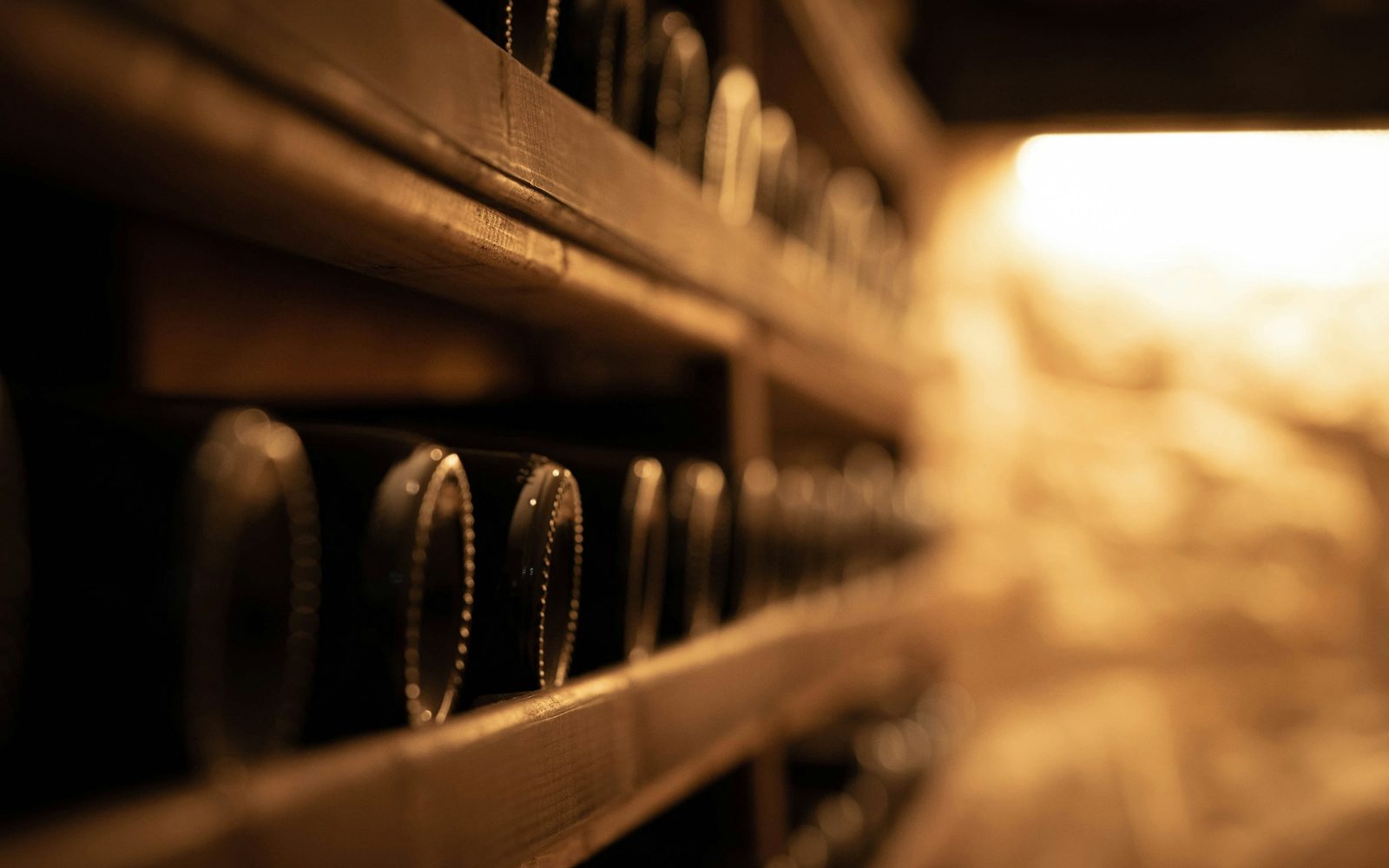
The warmer it is stored, the faster wine matures. Hong Kong's mean summer temperature is about 28–29°C, so wine kept at room temperature for a long time may peak sooner than expected. Only in a steady, cooler environment can wine develop slowly, as intended.
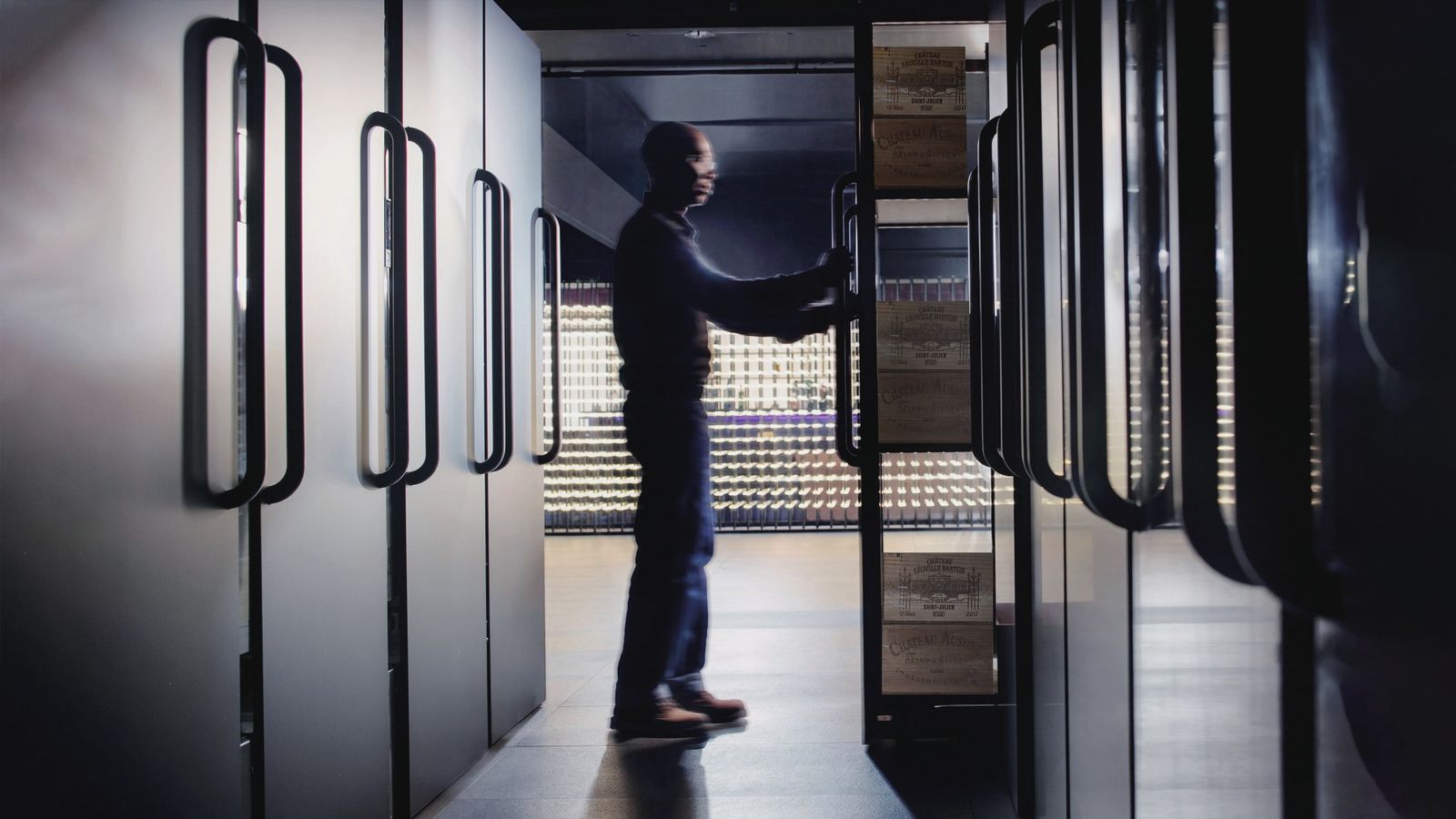
About SenseCellar
- The cellar is kept at a constant temperature and humidity, with temperature and humidity monitoring, so conditions stay stable all year round.
- The StockVins App shows which locker each bottle is in and when it was stored, so you always know how long every bottle has been kept.
- Every storage plan includes Hill 16 Club membership, so members can open and share their own wine with friends in the outdoor space.
Sources
- Wine Folly: Collecting age-worthy winewinefolly.com
- Wine Spectator: My wine fridge broke. Are my wines ruined?winespectator.com
- Hong Kong Observatory: Climatological normals (1991–2020)hko.gov.hk