How to enjoy a good bottle: serving temperature, decanting and glasses
Sparkling wine is generally best served at 5–7°C, white at 8–12°C and red at 12–18°C; the lighter the wine, the cooler it should be. Room temperature in Hong Kong is often too high, so a red served "at room temperature" is easily too warm; chill it a little first. Young, full-bodied reds can be decanted for up to about two hours, while lighter or older reds are best given no more than 30 minutes.

In this article
Recommended serving temperatures
| Wine | Serving temperature | Tip |
|---|---|---|
| Sparkling wine and Champagne | 5–7°C | Keep it in an ice bucket once opened |
| White | 8–12°C | Cooler for light whites, a little warmer for fuller-bodied ones |
| Red | 12–18°C | Cooler for light reds, a little warmer for full-bodied ones |
Hong Kong's "room temperature" is too warm for red wine
The idea of serving red wine "at room temperature" comes from Europe's cooler climate. Hong Kong's mean summer temperature is about 28–29°C, and even with the air conditioning on, rooms are often warmer than 18°C. When red wine is too warm, the alcohol stands out and the fruit seems muddled.
If the wine has been at room temperature, put it in the fridge for a short while before serving; about 15 to 20 minutes is usually enough. When you are out, use an ice bucket instead.
Which wines need decanting?
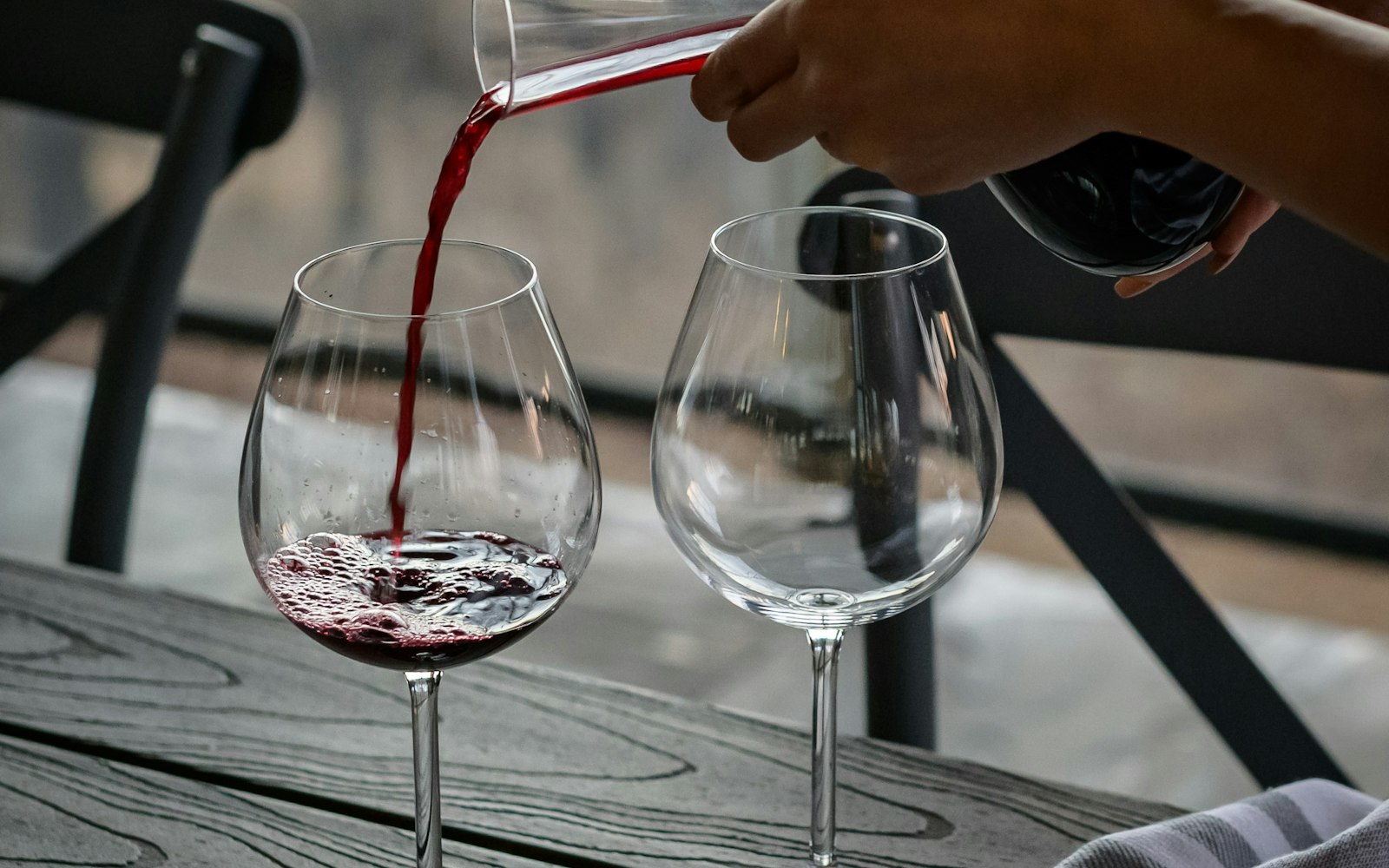
- Young or full-bodied reds: decant for up to about two hours. A wide-bottomed decanter gives the wine more contact with the air, so the aromas open up more easily.
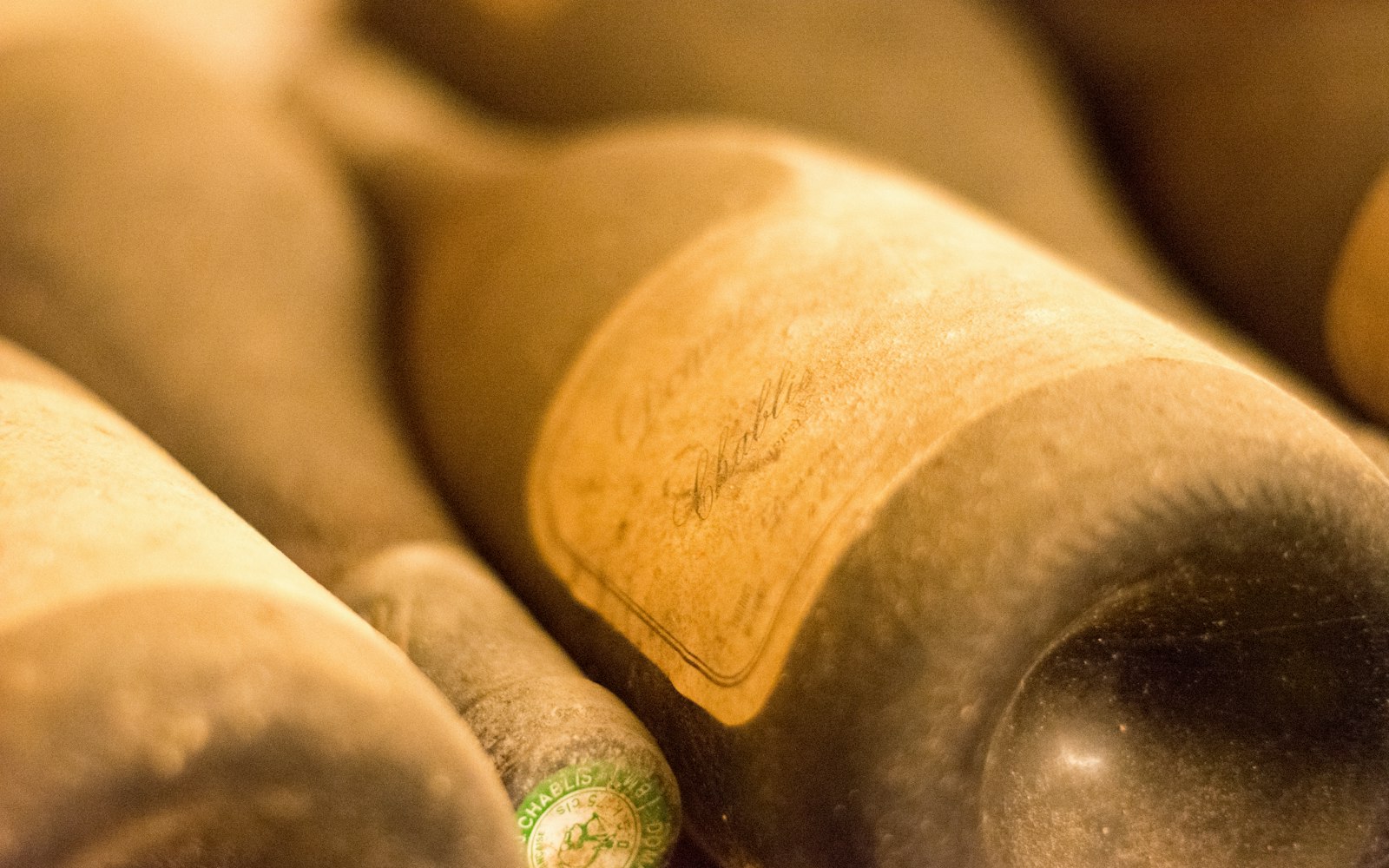
- Lighter or older reds: no more than 30 minutes. Older reds may have sediment, so use a narrow decanter, and stand the bottle upright before opening so the sediment settles to the bottom.
- White and rosé wines: if you decant them at all, keep it under 30 minutes; a small decanter that fits in the fridge keeps them cool.
Choosing glasses
- Full-bodied, tannic reds: a glass with a large bowl helps the aromas develop and makes the wine feel rounder.
- Medium-bodied reds: an egg-shaped bowl brings out gentle fruit.
- Aromatic whites: a slightly larger bowl lets the aromas open up more easily.
- Sparkling wine and Champagne: a tulip-shaped flute brings out fresh fruit.
The basic steps of tasting
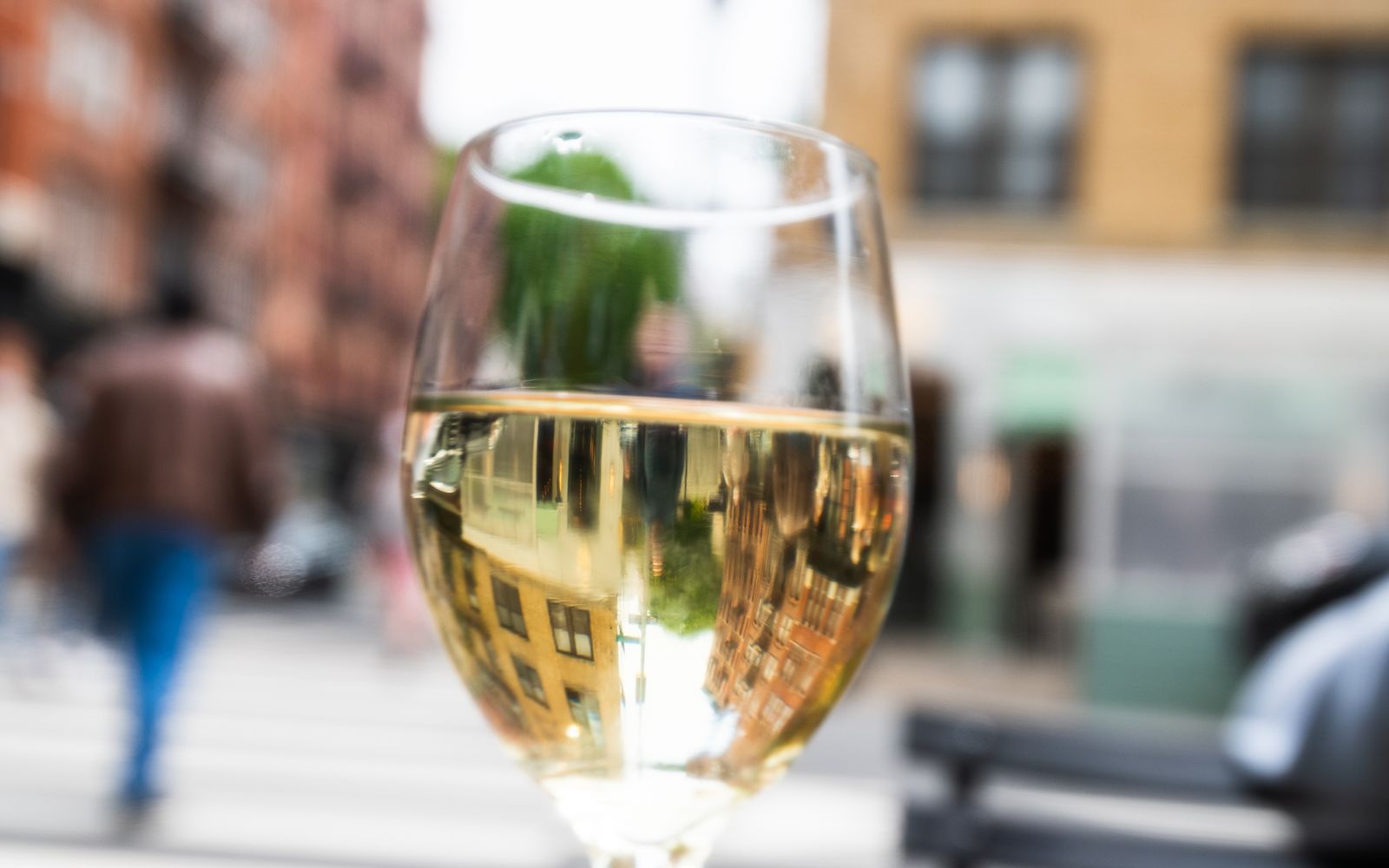
- Look: observe the wine's colour and clarity.
- Swirl: gently swirl the glass to release the aromas.
- Smell: notice fruit, floral aromas or those from oak barrels.
- Taste: take small sips and notice the acidity, tannin, body and finish.
Tips for gatherings with friends and family
- Taking wine out: stand older reds upright well in advance so the sediment settles to the bottom; chill sparkling and white wines beforehand and carry them in a cool bag. Before bringing your own wine to a restaurant, ask about their corkage arrangements and fees.
- The order to open bottles: generally sparkling, then white, then red, from light to full-bodied.
- How much to bring: a 750ml bottle pours about 5 to 6 glasses.
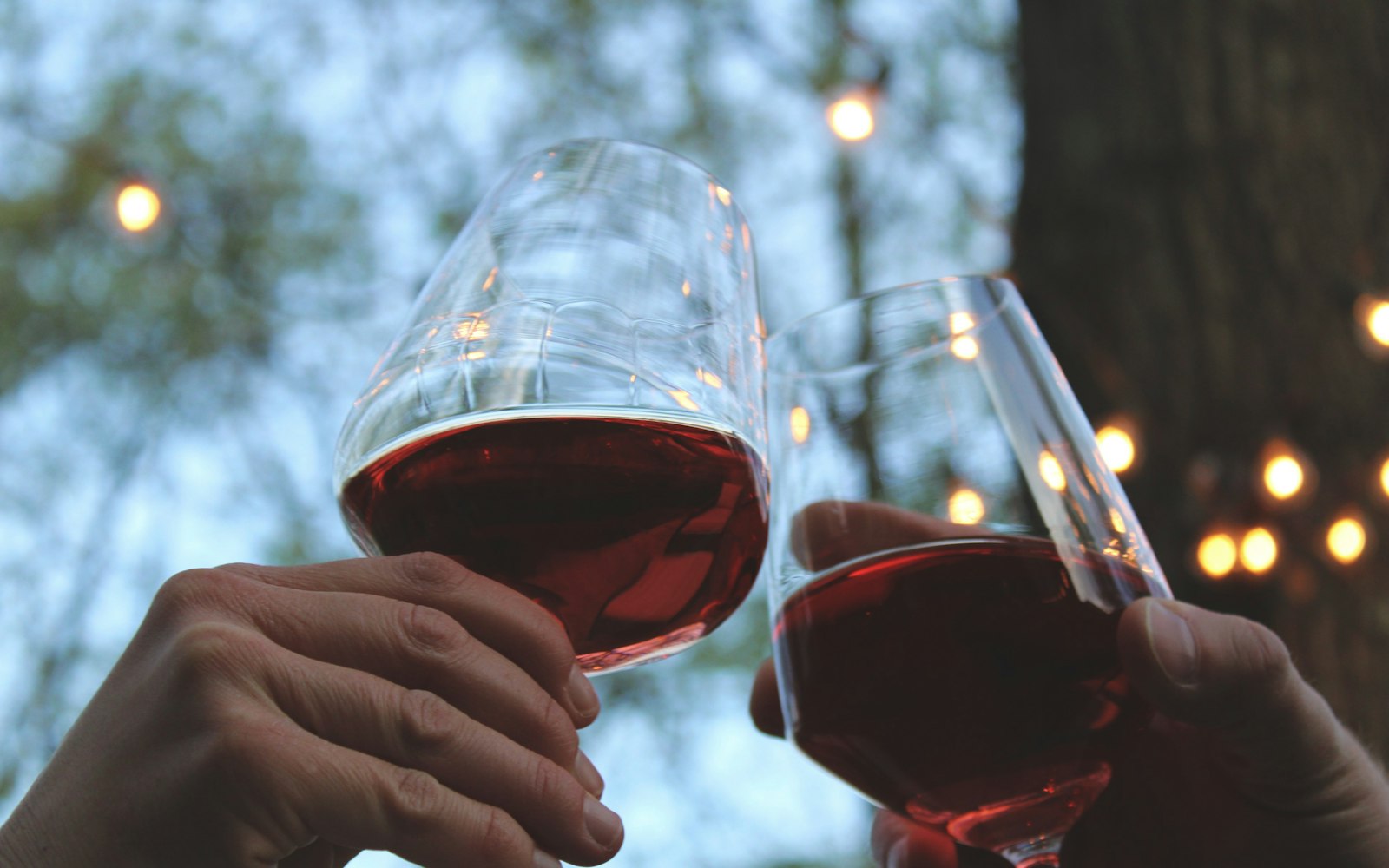
- Keeping it cool: in Hong Kong's heat, wine warms up quickly outdoors. Have an ice bucket ready, put sparkling and white wines back in it after opening, and give reds a slight chill too.

About SenseCellar
- Every storage plan includes Hill 16 Club membership. Members can take a bottle from their locker and open it with friends and family in the outdoor space.
- The StockVins App shows where each bottle is at any time, so it's easy to decide which one to open tonight.
Planning a private gathering? Ask us on WhatsApp.
Sources
- Wine Companion: How to serve winewinecompanion.com.au
- Hong Kong Observatory: Climatological normals (1991–2020)hko.gov.hk