Wine investment for beginners: how to choose wines with investment value
Wines with investment value usually have a few things in common: a respected producer and region, an active secondary market, limited supply, and clear provenance with proper storage. Wine investment also carries risks, including price swings, the time it takes to sell, transaction costs and counterfeits. This article covers general principles only and is not investment advice.

In this article
What gives a wine investment value?
- An active secondary market: it trades regularly through auction houses and merchants, so there are real prices to go by. A wine with no secondary market can hardly count as investment grade.
- A producer and region with recognised standing: such as Bordeaux's 1855 Classification, or Burgundy's ranking by vineyard.
- Easy to sell on: there are enough buyers that you don't have to cut the price heavily to sell. Rarity alone is not enough.
- Demand that stands the test of time: wanted across different eras and markets, not a passing fashion. Regions that trade more actively include Bordeaux, Burgundy, Champagne, Tuscany, Piedmont, the Rhône Valley and Napa Valley.
- Limited supply: each vintage's production is fixed, and as the wine is drunk, fewer bottles remain on the market.
Generally, fine wine becomes more sought after as it matures; once it enters its drinking window and is drunk, the supply on the market shrinks further.
Why storage and provenance matter just as much
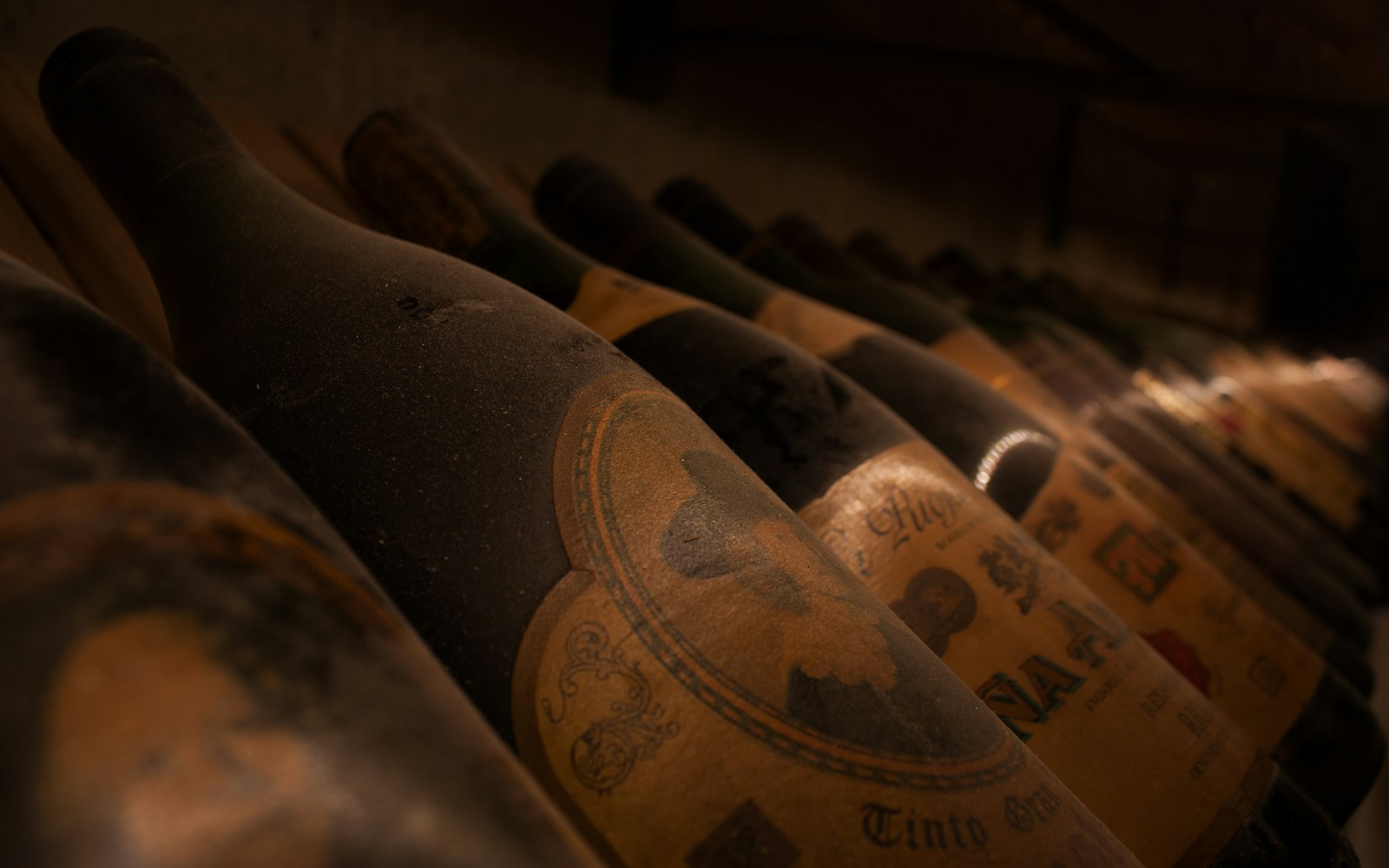
A wine's value is inseparable from its condition. Wine with clear provenance that has been properly stored tends to earn more trust from buyers when it is sold, and may even command a premium.
- Heat damage or a leaking cork badly reduces a wine's value.
- A mouldy or damaged label generally doesn't affect the wine, but it may affect the price at auction.
- Keep your purchase receipts, and record where and when each bottle was stored, to help when you sell later.
The market in Hong Kong
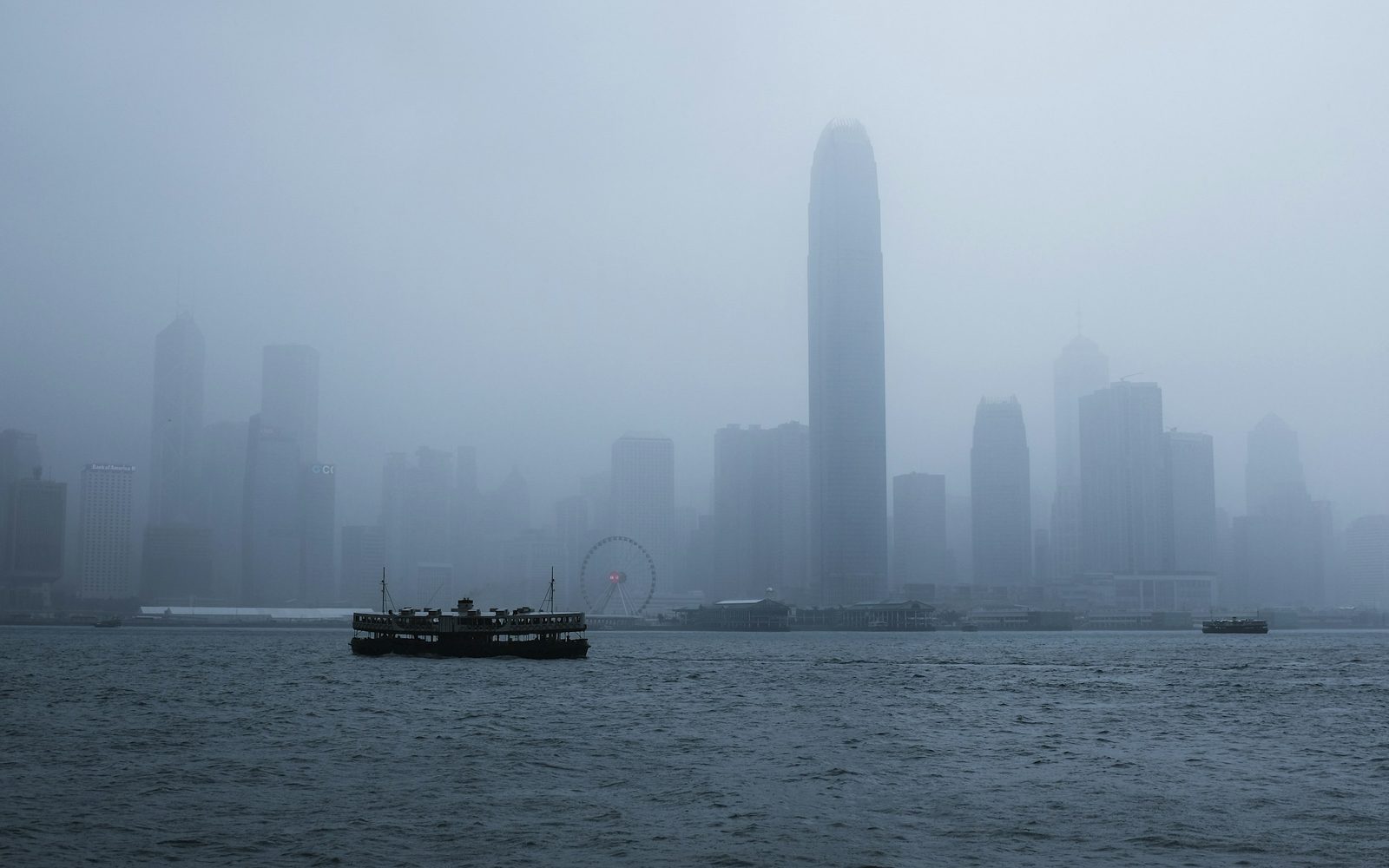
Hong Kong abolished wine duty in 2008 and has since become the region's hub for wine trading and distribution, as well as one of the world's major wine auction centres.

But Hong Kong's weather is hot and humid, so if you plan to hold wine for the long term, where it is stored matters all the more.
The risks of investing in wine
- Prices go up and down: after the 2008 financial crisis, some 2005 Bordeaux fell by more than 25% within two months.
- Selling takes time: unlike shares, wine cannot be sold instantly, and if you need to sell quickly you may have to cut the price.
- Transaction costs: selling through a merchant or an auction house means paying commission and fees, and together with storage costs these reduce your return; wine also pays no dividends.
- Counterfeits: fakes are more common among expensive wines, so buy from reputable, long-established merchants.
- Changing scores: when a critic re-rates a wine, its price can swing sharply.
- Limited regulation: most wine trading is not covered by financial regulation, so there is less protection if something goes wrong.
Questions to ask yourself before you start
- Can I leave this money untouched for a long time?
- Do I know the market prices of the wines I am buying?
- Where will the wine be stored, and can it be kept at a steady temperature and humidity?
- If I never sell it, would I be happy to drink it myself?
This article is for general information only and is not investment advice. Wine prices can go down as well as up.

About SenseCellar
SenseCellar focuses on wine storage. For collectors who care about the value of their wine:
- The cellar is kept at a constant temperature and humidity, with temperature and humidity monitoring, so conditions stay stable all year round.
- Cellar cameras automatically record every bottle stored or removed, and the StockVins App keeps a complete in-and-out history.
- The StockVins App tracks the latest market value and price trends of each bottle and of your whole collection.