Moving house or going away for a long time: what to do with your wine
When you move house, heat and knocks are the biggest risks to your wine. Avoid moving at midday in summer, pack bottles in their original wooden cases or in cartons with dividers, and keep the time the wine spends in the van as short as possible. Transport old wines upright, and let them rest for a while before opening. Before a long trip, make sure your wine is somewhere stable and that you have a way to know if the temperature goes wrong.

In this article
Before you move
- Go through your wine inventory, mark the valuable and older wines, and pack them separately.
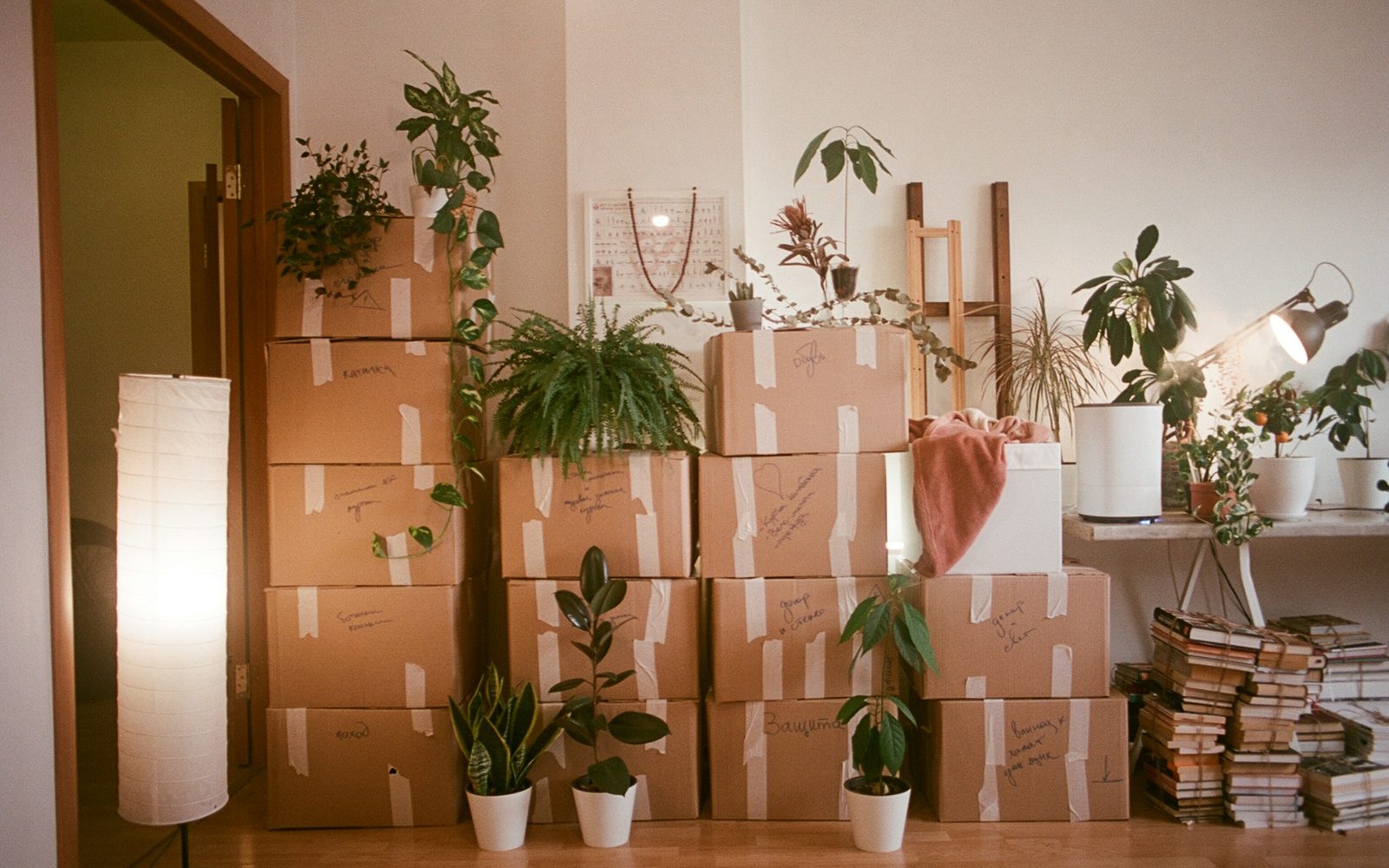
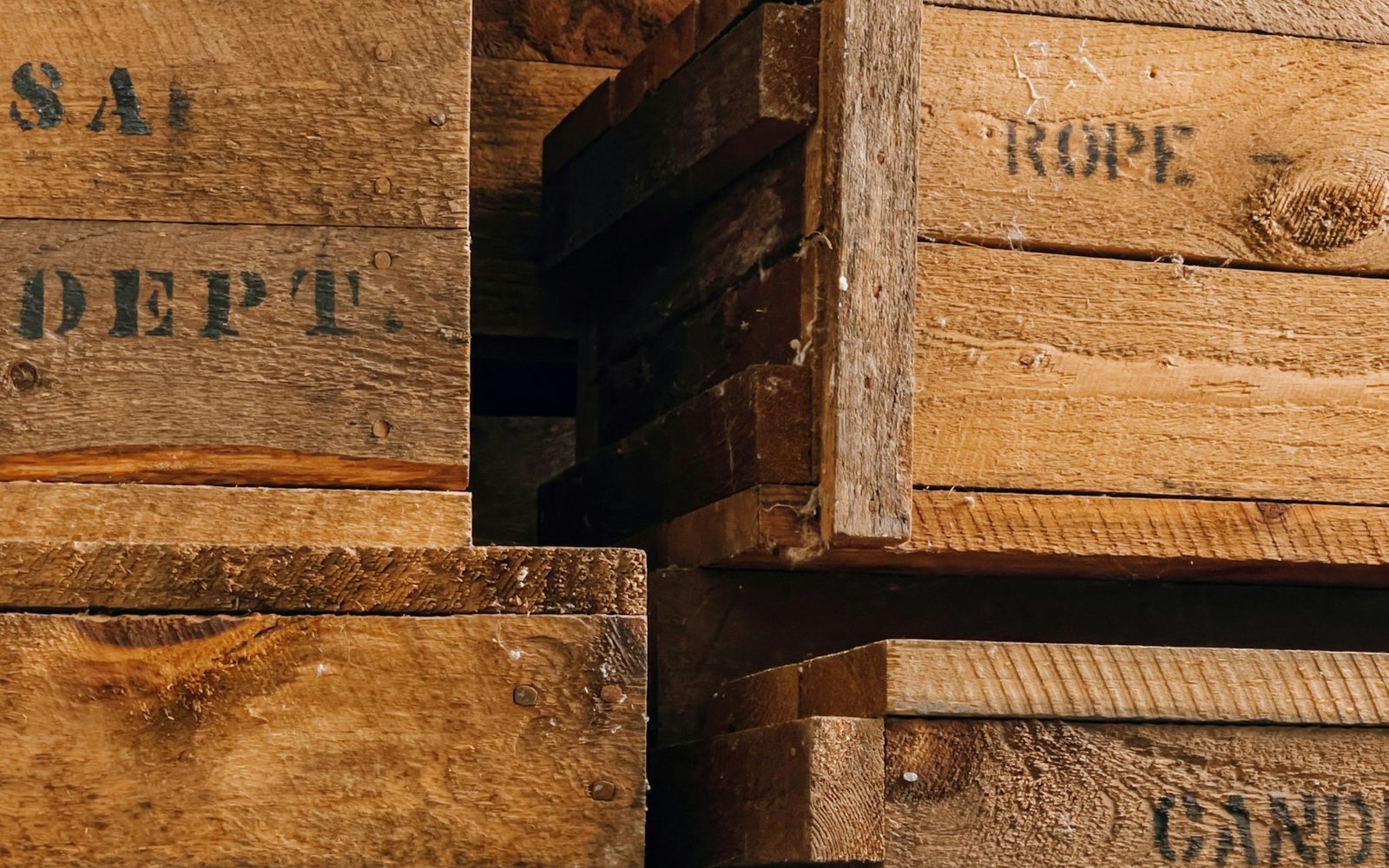
- Use the original wooden cases, the original cartons or wine boxes with dividers, so every bottle is cushioned from the next.
- Mark the boxes "Fragile", and boxes of old wine "This way up".
- Move at a cooler time of day, and avoid midday in summer.
On moving day
- Load the wine last and unload it first, so it spends as little time in the van as possible.
- Put the wine where the temperature and movement in the vehicle are steadiest, away from the tailgate and the wheel arches.
- In summer a car can get far hotter than it is outside, so don't leave wine in a parked car.
- Consider carrying your most valuable few bottles yourself.
Take special care with old wines
- Transport them upright, so the sediment stays at the bottom.
- Wedge the bottles with soft padding so they don't knock together.
- Keep them upright after you arrive so the sediment settles as much as possible; when you open the bottle, decant it to separate the wine from the sediment.
Let the wine rest when you arrive
After a move, wine sometimes goes through what is called "bottle shock", tasting flat for a while. There is no scientific evidence for this yet, but many people have experienced it.
- Let the wine rest somewhere cool, steady and dark for a few days to a few weeks before opening it.
- Even when the effect is noticeable, the wine is generally back to normal after two weeks.
- Older, more fragile wines are more easily affected; young wines less so.
Before a long trip
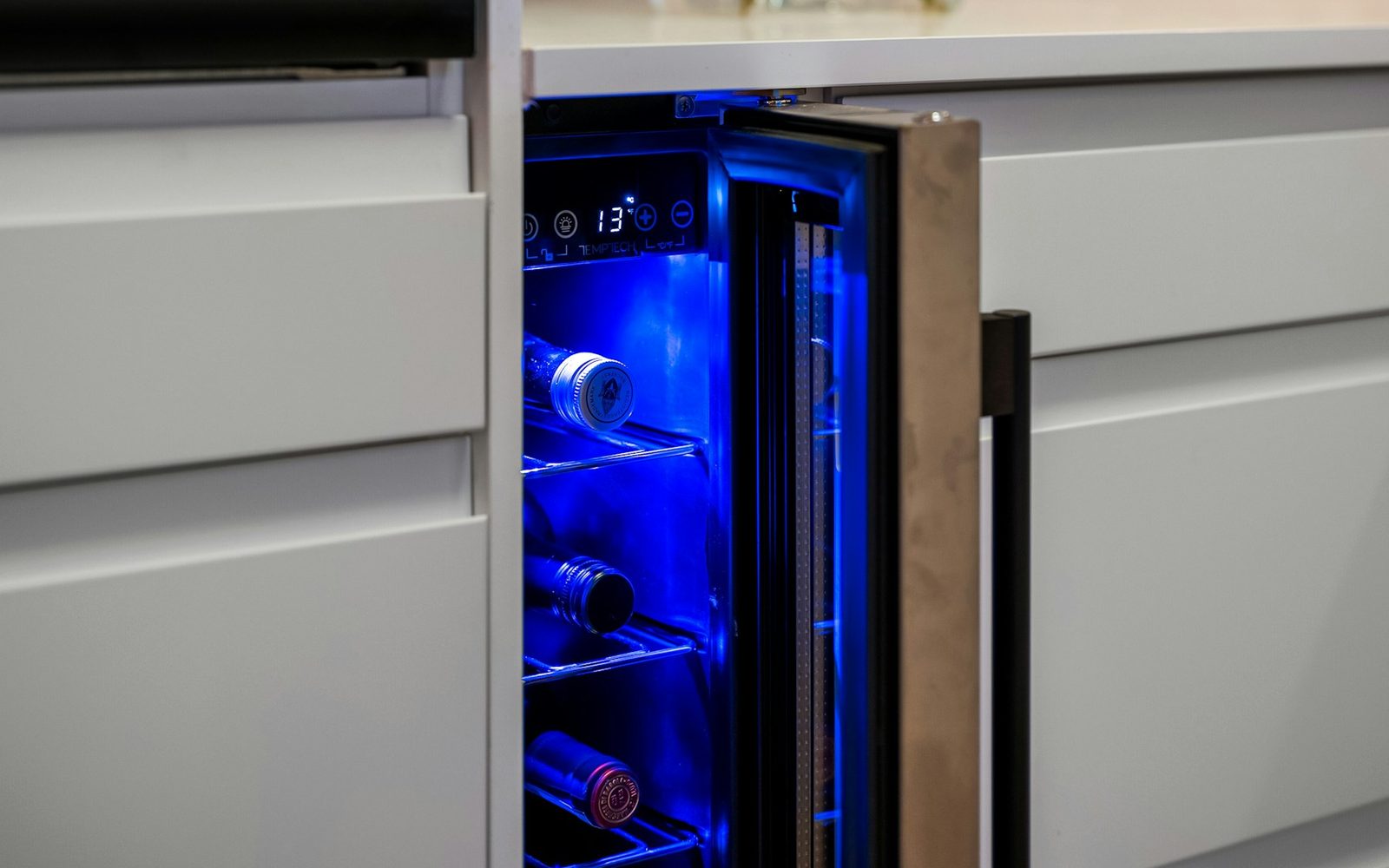
- Check that your wine fridge is working properly, and clean the dust off the condenser grille.
- Put a thermometer that sends alerts to your phone inside the wine fridge.
- Ask family or friends to check on it regularly.
- Move any wine outside the wine fridge to the coolest spot in your home, where the temperature is most stable.
- If you will be away for a long time, or it is summer, consider keeping your most valuable wine in a professional cellar.
About SenseCellar
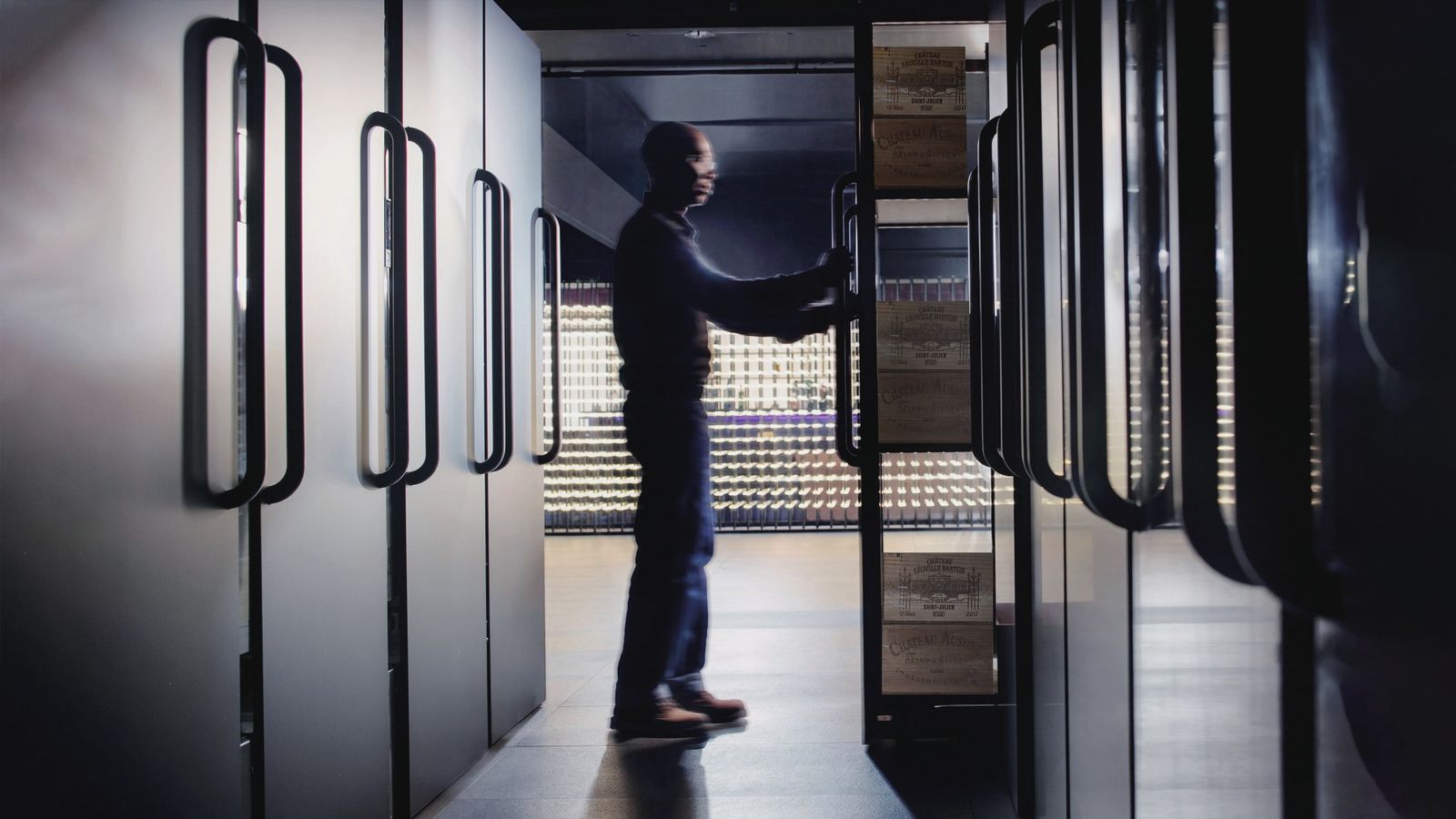
- The cellar is kept at a constant temperature and humidity, with temperature and humidity monitoring, so conditions stay stable all year round.
- Cellar cameras automatically record every bottle stored or removed, and even when you are abroad you can check your inventory and where each bottle is in the StockVins App.
Sources
- Wine Spectator: How to protect old wine while travellingwinespectator.com
- Wine Spectator: Is bottle shock a legitimate concern?winespectator.com
- EngineerFix: Why is my wine fridge not cooling?engineerfix.com