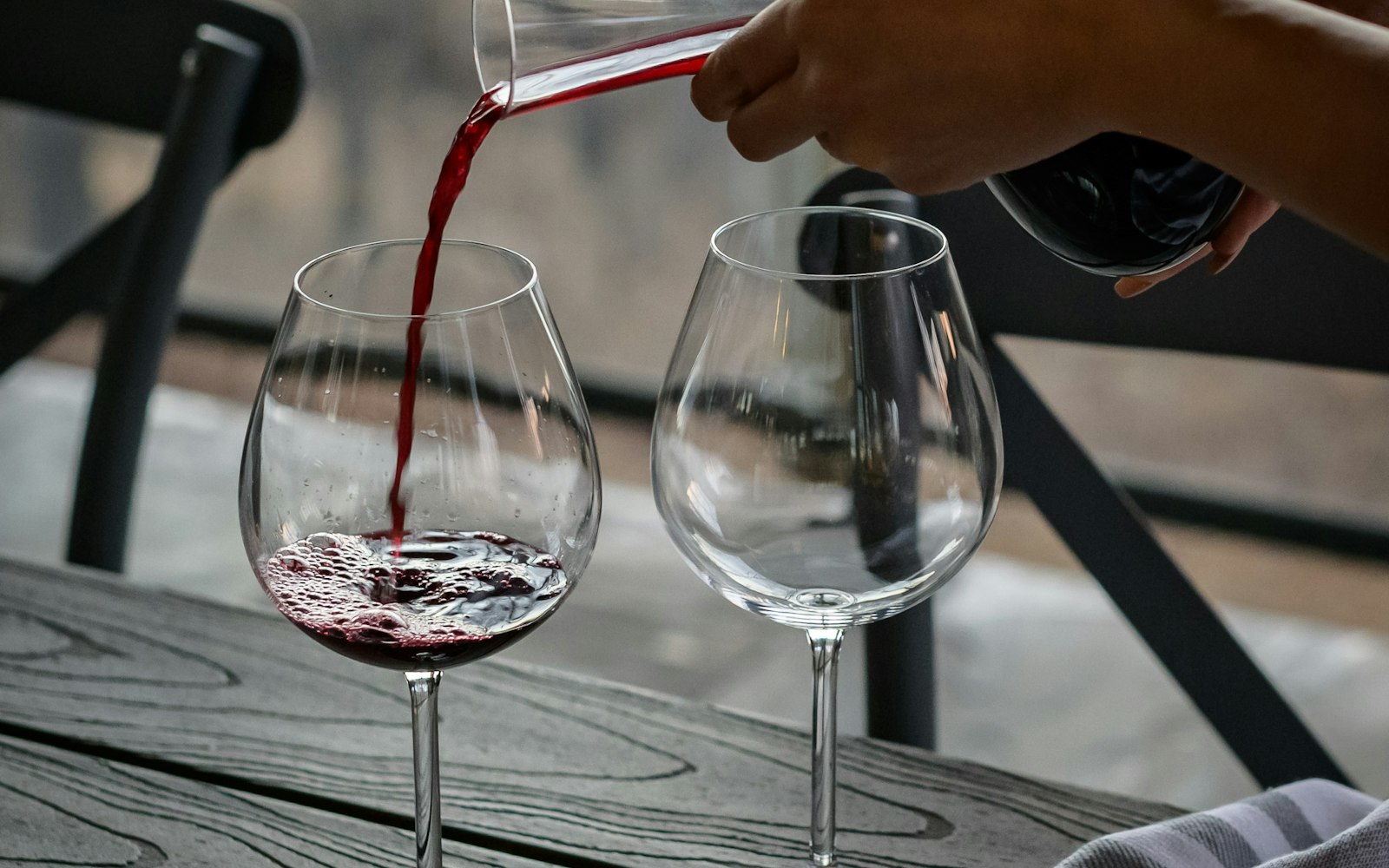
How long does wine keep once opened? How to store leftover wine
An opened red wine, recorked and kept somewhere cool or in the fridge, generally keeps for about 3–5 days; sparkling wine for about 1–3 days, light whites and rosés for about 5–7 days, and fortified wines for up to about 4 weeks. Wine goes off mainly through oxidation and acetic acid bacteria, and the cooler it is kept, the slower the change.

In this article
How long each kind of wine keeps once opened
| Wine | Approximate keeping time | How to store it |
|---|---|---|
| Sparkling wine | 1–3 days | In the fridge, with a sparkling wine stopper |
| Light whites, sweet whites, rosé | 5–7 days | In the fridge, recorked |
| Full-bodied whites (such as oaked Chardonnay or Viognier) | 3–5 days | In the fridge, recorked |
| Red | 3–5 days | Somewhere cool and dark, or in the fridge, recorked |
| Fortified wines (Port, sherry, Marsala) | About 28 days | Somewhere cool and dark, recorked |
| Boxed wine | 2–3 weeks | In the fridge |
Sparkling wines made by the traditional method (such as Champagne or Cava) generally keep longer than those made by the tank method (such as Prosecco). Sweeter wines also keep longer.
Why opened wine goes off
- Oxidation: once exposed to air, fresh fruit aromas gradually fade.
- Acetic acid bacteria: these turn alcohol into acetic acid and acetaldehyde, giving the wine a vinegary taste.
- Temperature: the cooler the wine, the slower both of these changes.
Can you put opened red wine in the fridge?
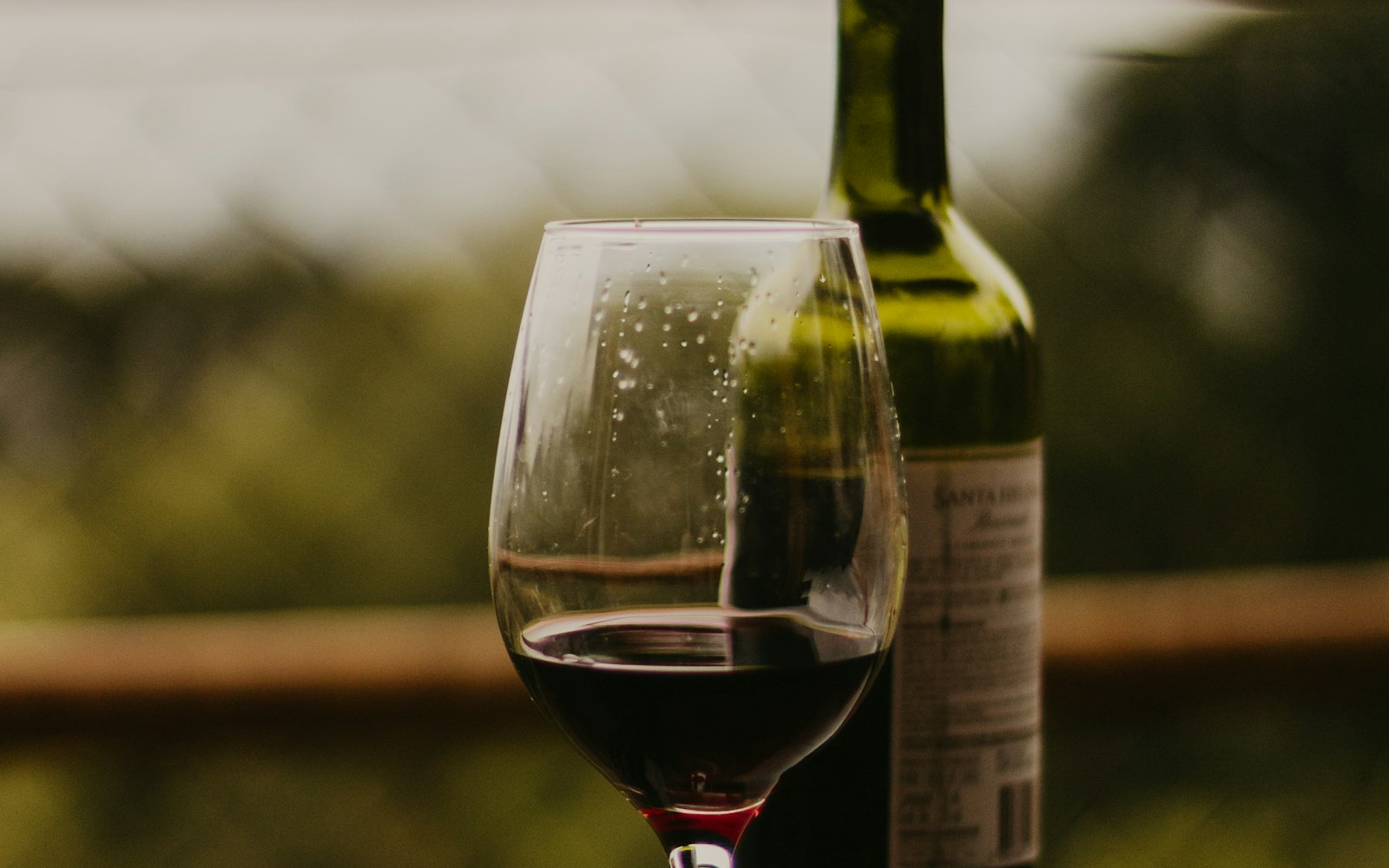
Yes. An opened red keeps better in the fridge than in a warm room, especially in a Hong Kong summer. Just let it warm up a little before drinking; for red wine serving temperatures, see How to enjoy a good bottle.
Reds with more tannin and acidity usually keep longer once opened, and some even taste better on the second day.
How to store leftover wine
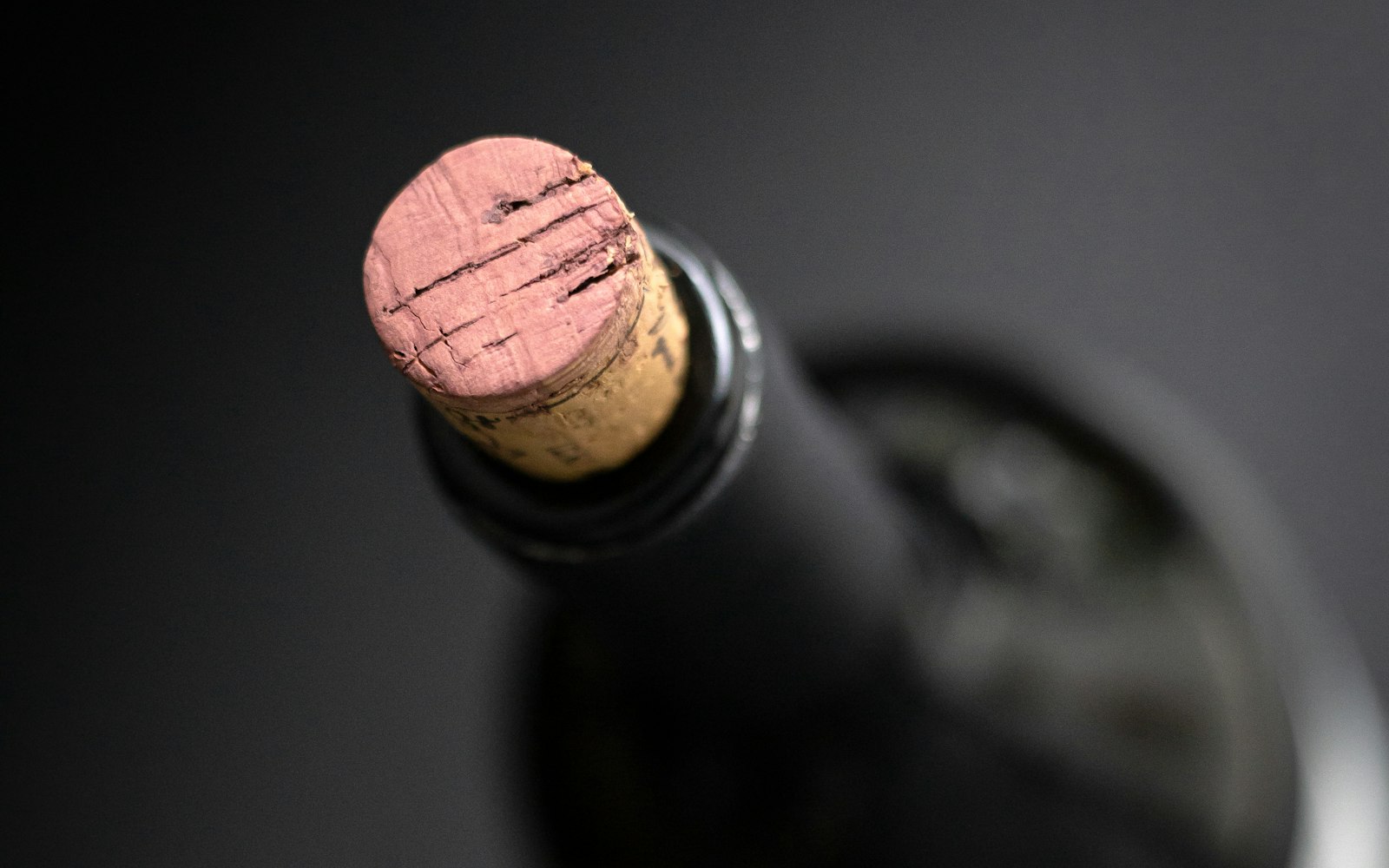
- Put the cork or cap back on as soon as you have poured.
- Keep white, rosé and sparkling wines in the fridge; keep red somewhere cool and dark, or in the fridge to be safe when the weather is hot.
- Use a proper stopper for sparkling wine.
- If you often drink full-bodied whites, consider a vacuum stopper.
- Keep fortified wines away from light and heat.
How to tell when leftover wine has gone off
- It smells sharp and vinegary
- It tastes nutty or like bruised fruit
- The fruit aromas have clearly faded
- Sparkling wine has lost its bubbles
Wine that has gone off has essentially turned to vinegar. It won't harm you if you drink it; it just doesn't taste good.
About SenseCellar
- Members can check where each bottle is and when it was stored in the StockVins App, and take out only the wine they plan to drink that night.
- Every storage plan includes Hill 16 Club membership, so members can take a bottle from their locker and taste it with friends and family in the outdoor space.