How do storage records affect your wine's resale value?
When you sell wine, buyers and auction houses examine its condition and provenance closely, including the fill level, label, capsule and cork, and whether it is in its original wooden case. Wine with clear provenance that has always been properly stored is often easier to sell and earns more trust from buyers. Keeping purchase receipts and storage records is the simplest way to protect your collection's value. This article is for general information only and is not investment advice.

In this article
What buyers check
- Fill level: the gap between the wine and the cork is seen as a guide to the wine's condition.
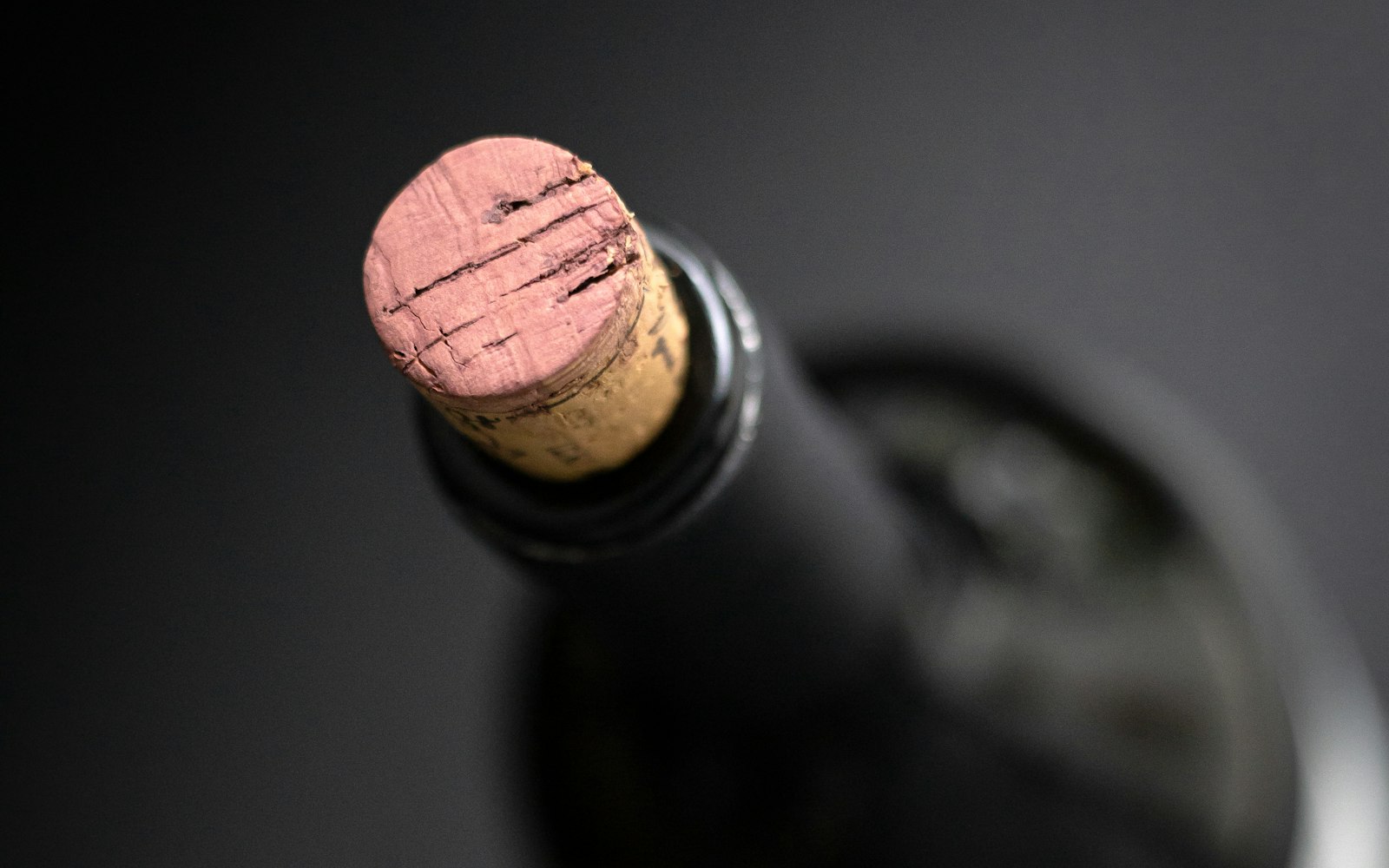
- Capsule and cork: any wine stains, bulging or rust, or a cork pushed up out of the neck.
- Label: whether it is intact and clean.
- Original wooden case: merchants and restaurants are generally less keen to buy wine without its original wooden case, because it is harder to sell on.
- Provenance: where it was bought, where it has been stored, and whether it has been moved.
What the fill levels mean
For a Bordeaux bottle:
| Fill level | General assessment |
|---|---|
| Into neck | Excellent |
| Base of neck | Normal for a young wine |
| Top shoulder | Acceptable for a wine of middle age |
| High shoulder | Normal for an old wine |
| Mid shoulder | Some risk of oxidation; consider carefully |
| Low shoulder | High risk; value much reduced |
In young wines under ten years old, the wine should generally reach the neck; in a wine of ten to twenty years, a level that has dropped to the shoulder is worth noting. Burgundy and Champagne bottles have no clear shoulder, so their level is generally measured as the distance between the wine and the cork.
Why provenance and storage history matter so much
- Wine bought on release, kept in the same cellar ever since and never traded almost always fetches a premium at auction.
- Buyers generally trust wine stored in temperature-controlled conditions more; storage where the temperature changes often may harm the wine.
- Uneven fill levels within the same case often point to unsteady temperatures during storage or transport.
Does a mouldy or damaged label affect value?
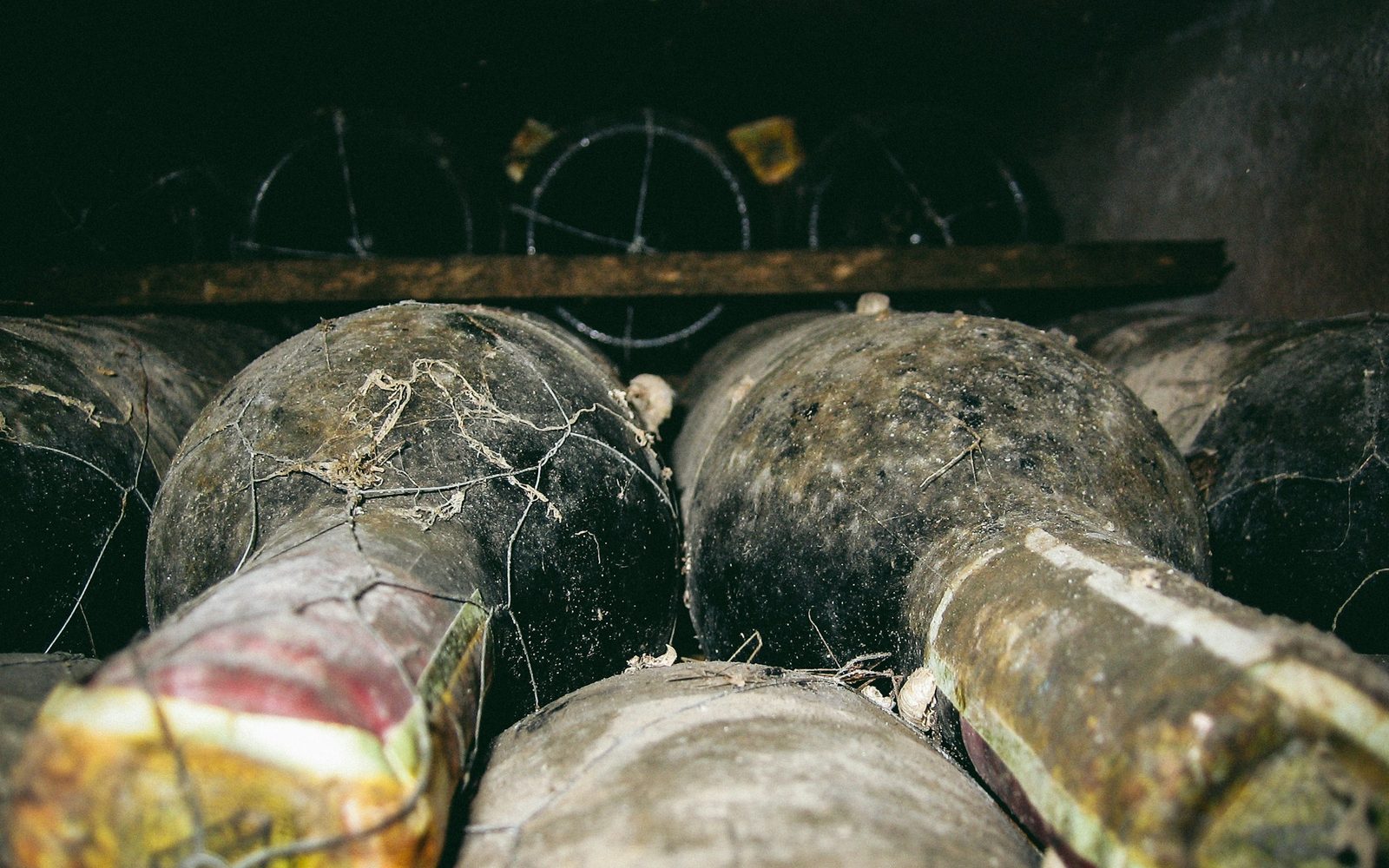
A mouldy or damaged label generally doesn't affect the wine, but it may affect the price at auction or when you sell. Hong Kong is humid, so labels on wine kept at home go mouldy especially easily. For buyers who plan to drink the wine themselves, such bottles can sometimes be a bargain.
Records you can keep yourself
- Purchase receipts: where, when and for how much you bought it.
- Storage records: where and for how long each bottle was stored, and whether it was ever moved.
- Photos on delivery: recording the condition of the fill level, label and capsule.
- Original wooden cases and packaging: keep them where possible, and avoid moving the wine unnecessarily.
Selling wine in Hong Kong
Hong Kong is one of the world's major wine auction centres, and has had no wine duty since 2008. Collectors can sell through an auction house or a merchant; fees and procedures differ between the two, so find out the details before you sell.
This article is for general information only and is not investment advice. Wine prices can go down as well as up.

About SenseCellar
SenseCellar focuses on wine storage. For collectors who care about the value of their wine:
- The cellar is kept at a constant temperature and humidity, with temperature and humidity monitoring, so conditions stay stable all year round.
- Cellar cameras automatically record every bottle stored or removed, and the StockVins App keeps a complete in-and-out history, making it easy to put together each bottle's storage history.
- The StockVins App tracks the latest market value and price trends of each bottle and of your whole collection.