The ideal temperature and humidity for storing wine
Wine is generally best stored at about 13–16°C and around 70% relative humidity (anywhere from 50–80% is safe), kept steady all year. Temperature matters more than humidity: small, short changes do little harm, but storage that is too warm for long periods, or repeatedly heats and cools, ages wine faster and can even make it leak past the cork. Storage temperature is not serving temperature; adjust it to the wine before you open the bottle.

In this article
Why 13–16°C?
The wine world generally aims to store wine at about 13°C (55°F), with about 13–16°C an acceptable range. At this temperature wine matures slowly rather than ageing too fast.
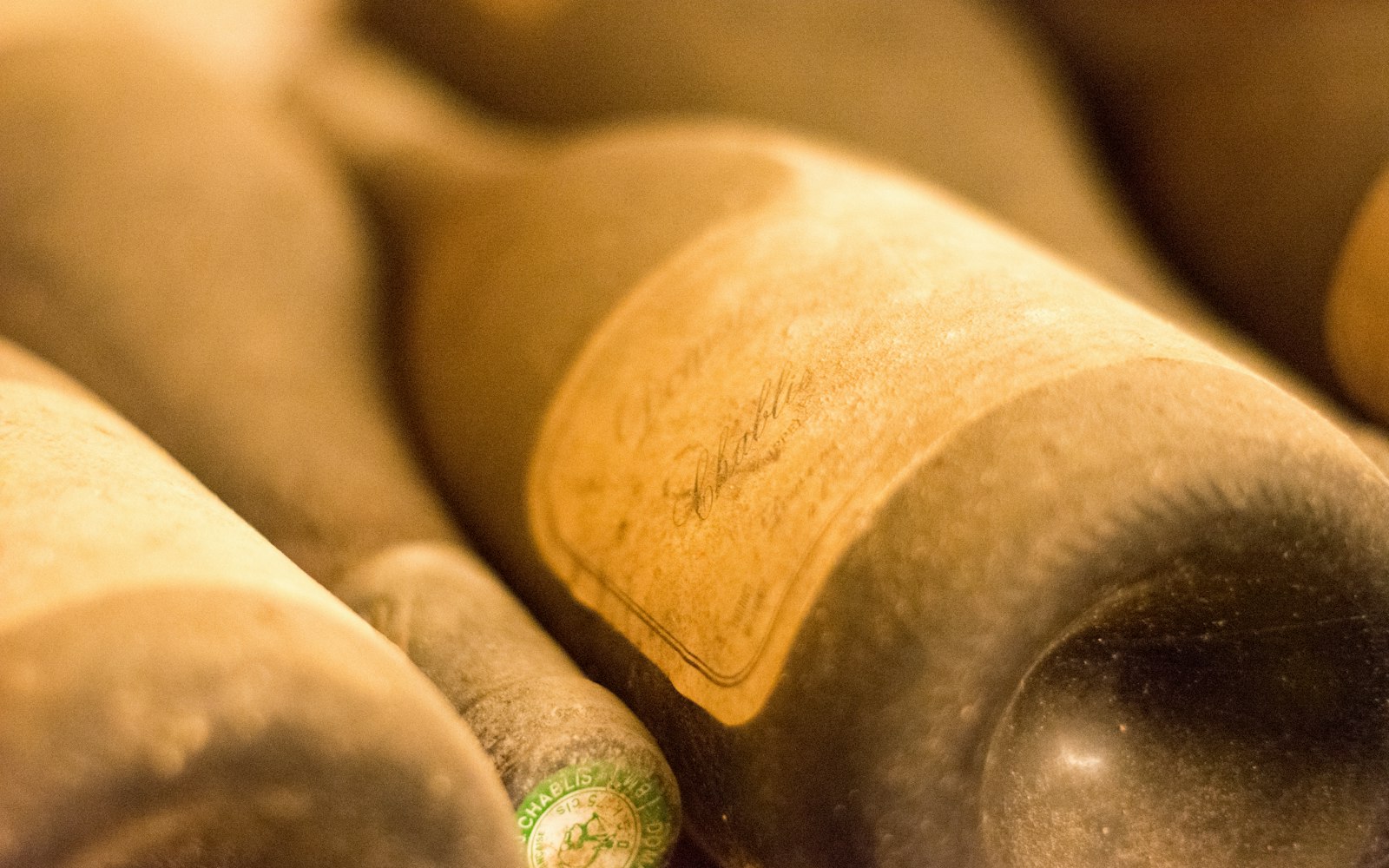
A steady temperature matters more than the exact number
- A stable temperature is the most important part of a storage environment.
- A small change, from about 14°C to 16°C for example, does not affect the wine in itself.
- What you really need to avoid is repeated heating and cooling: the wine expands and contracts with the temperature, which puts the cork's seal under pressure and, over time, can make it leak.
A common pattern in Hong Kong homes is switching the air conditioning off during summer days and back on at night, so the room temperature rises and falls every day. Wine kept like this is more likely to suffer than wine kept somewhere a little warmer but steady.
What happens if it's too hot or too cold
| Situation | Possible effect |
|---|---|
| Kept at room temperature for a long time | The wine matures faster and may peak earlier than expected |
| Above about 27°C for a sustained period | The risk of heat damage rises sharply, and the wine may taste "cooked" |
| Kept long term in an ordinary fridge (about 3–4°C) | Too cold for long-term storage |
| At or below freezing | The wine freezes and expands, and may push the cork out |
| Repeated temperature swings | The cork's seal is put under pressure and may leak |
Humidity: 50–80%, ideally about 70%
- Too dry: the cork may dry out and shrink, weakening its seal and ageing the wine early.
- Too damp: this generally does not harm the wine itself, but labels go mouldy easily.
- In Hong Kong: mean relative humidity is about 78% over the year and 81–83% from March to August, but indoor air can become quite dry where the air conditioning or a dehumidifier runs for long periods.
Hong Kong's average monthly temperature and humidity
The grey band shows the conditions generally recommended for storing wine; the red part is above that range.
Source: Hong Kong Observatory, 1991–2020 averages
How should you store wine in Hong Kong's humid weather?| Month | Mean temperature (°C) | Mean relative humidity (%) |
|---|---|---|
| Jan | 16.5 | 74 |
| Feb | 17.1 | 79 |
| Mar | 19.5 | 82 |
| Apr | 23.0 | 83 |
| May | 26.3 | 83 |
| Jun | 28.3 | 82 |
| Jul | 28.9 | 81 |
| Aug | 28.7 | 81 |
| Sep | 27.9 | 78 |
| Oct | 25.7 | 73 |
| Nov | 22.2 | 72 |
| Dec | 18.2 | 70 |
Storage temperature is not serving temperature
Red, white and sparkling wines can all be stored long term in the same environment of about 13–16°C. When serving, adjust to the wine: about 5–7°C for sparkling, 8–12°C for white and 12–18°C for red.
What you can do at home
- Put a separate thermo-hygrometer where you keep your wine and watch how the readings change over a week or two.
- Choose the coolest spot in your home, where the temperature is most stable, away from windows, the kitchen and air-conditioner vents.
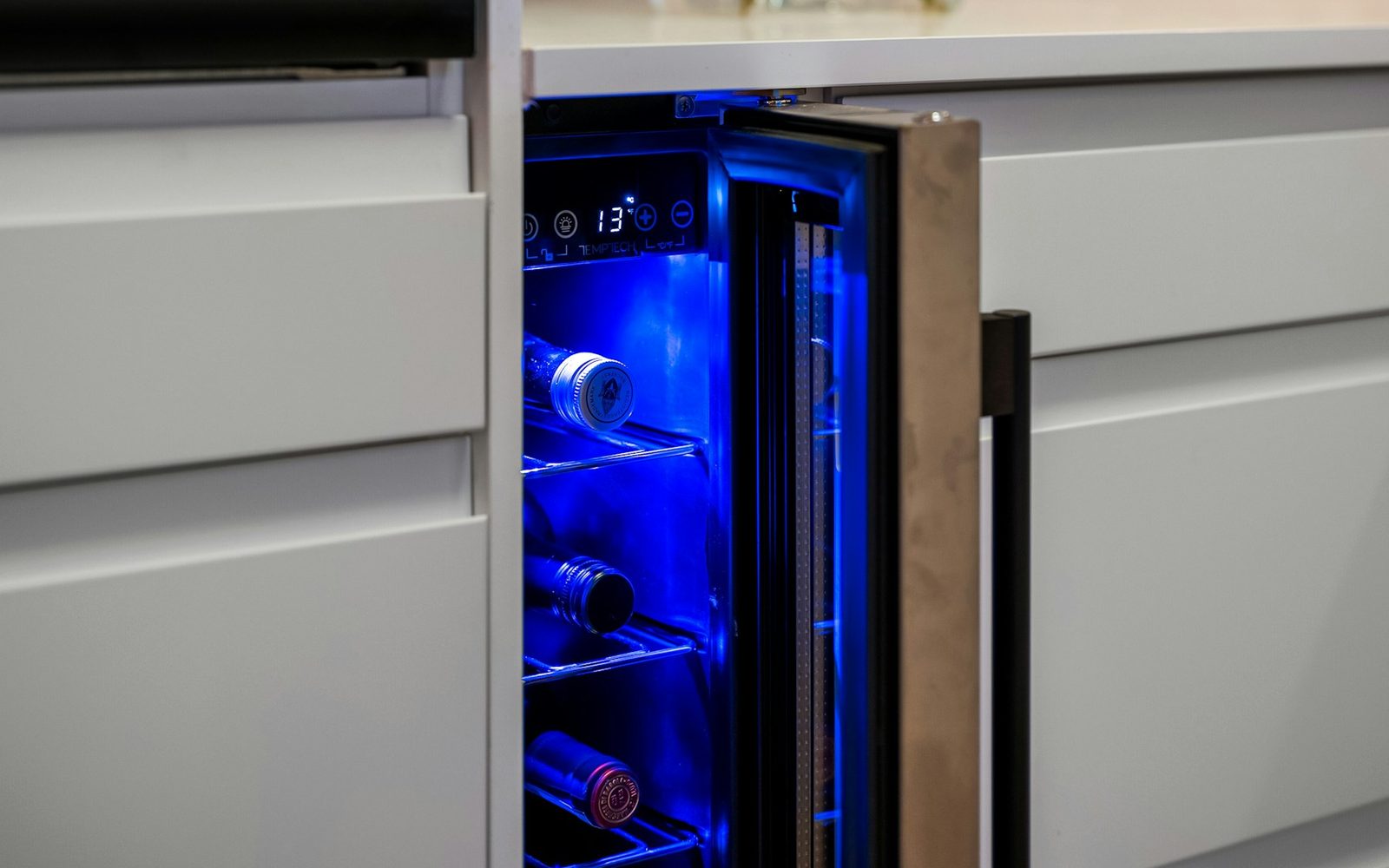
- Keep wine you plan to store long term in a temperature-controlled wine fridge or a cellar.

About SenseCellar
- The cellar is kept at a constant temperature and humidity, with temperature and humidity monitoring, so conditions stay stable all year round.
- Cellar cameras automatically record every bottle stored or removed, and the StockVins App shows where each one is at any time.
Sources
- Wine Spectator: Humidity and corkswinespectator.com
- Wine Spectator: Cellar humiditywinespectator.com
- Wine Enthusiast: Wine Storage 101blog.wineenthusiast.com
- Wine Spectator: My wine fridge broke. Are my wines ruined?winespectator.com
- Wine Spectator: Is a wine OK if the cork has pushed out?winespectator.com
- Home Depot: Wine coolers buying guidehomedepot.com
- Wine Companion: How to serve winewinecompanion.com.au
- Hong Kong Observatory: Climatological normals (1991–2020)hko.gov.hk