Getting together with friends and family: how to choose wine for the occasion
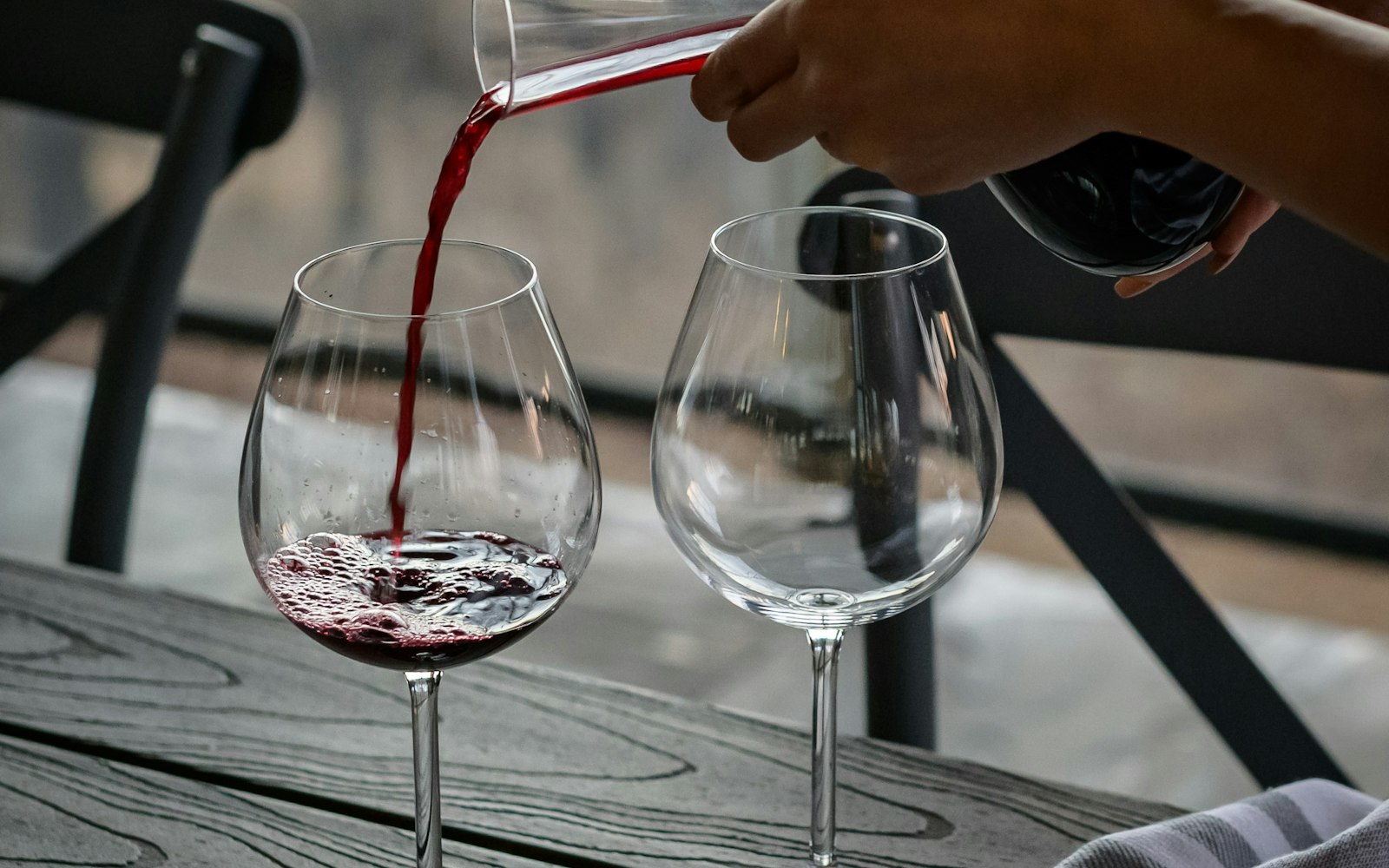
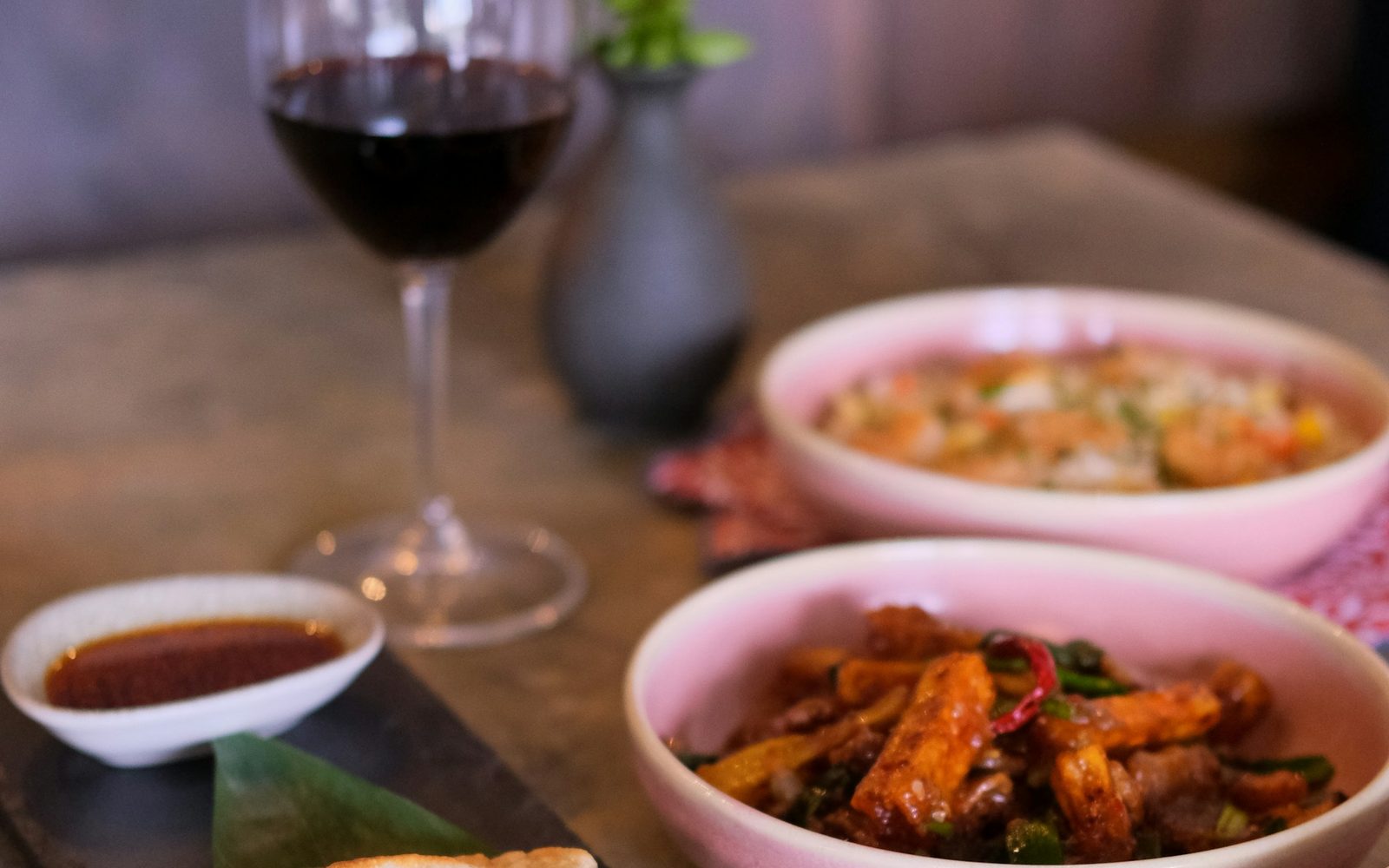
When choosing wine for a gathering, start with the food. With many dishes on the table, sparkling wine goes with almost everything; for spicy food, choose a white with a touch of sweetness rather than a red with strong tannins and high alcohol; duck goes well with a fruity Pinot Noir. A 750ml bottle pours about 5 to 6 glasses, and in Hong Kong's heat an outdoor gathering needs an ice bucket to keep wine cool.

In this article
Basic pairing principles
- Many dishes on the table: choose a wine that goes with almost everything. Sparkling wine is crisp and refreshes the palate.
- Chinese banquets: avoid full-bodied reds with strong tannins.
- Spicy food: high tannin and high alcohol make the heat more noticeable; an aromatic white with a touch of sweetness is easier to match.
- Sweet and sour dishes: avoid sparkling wines with no added sugar and very dry whites with high acidity.
Wine with popular Hong Kong dishes
| Dish | Wines to consider |
|---|---|
| Siu mai | Blanc de Blancs Champagne |
| Har gow (shrimp dumplings) | Manzanilla sherry |
| Char siu bao (barbecue pork buns) | Off-dry Riesling, Moscato d'Asti |
| Spring rolls | Grüner Veltliner, Picpoul de Pinet |
| Steamed fish | An aromatic white with a touch of sweetness, such as Kabinett Riesling or Gewürztraminer |
| Crispy duck and other duck dishes | Pinot Noir, young Gamay, Spätlese Riesling |
| Red-braised pork | Pinot Noir from a warmer region |
| Spicy Sichuan dishes | Well-chilled sparkling wine (Prosecco, Asti, Brut Champagne), off-dry Riesling, rosé |
Choosing for the occasion
- Family dinners: choose one or two versatile wines, such as a sparkling wine and a fruity red.
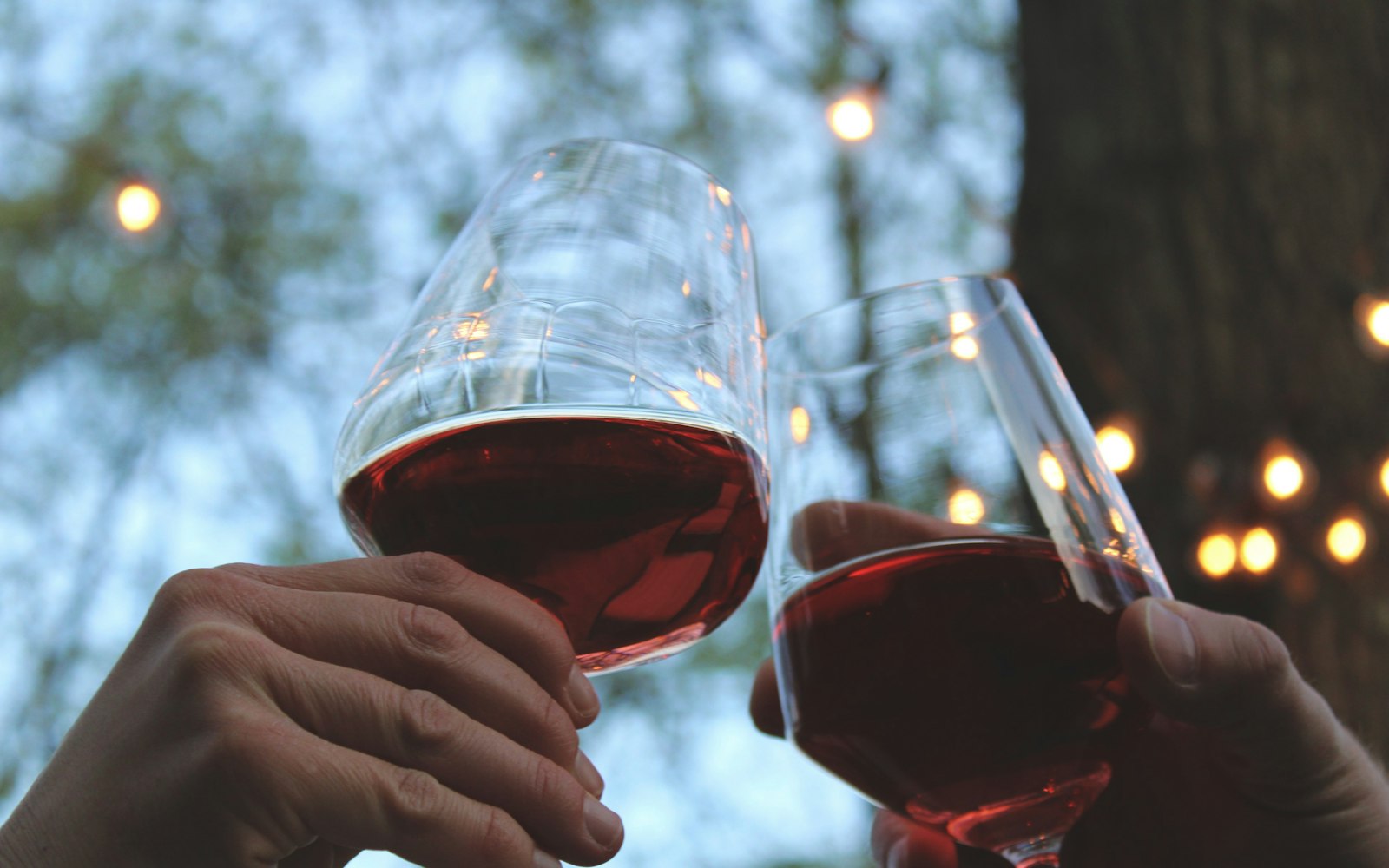
- Birthdays and celebrations: start with sparkling wine or Champagne.
- Gifts: consider the recipient's taste; if you give a wine with ageing potential, include a suggested drinking window.
- Outdoor gatherings: sparkling, white and rosé wines are more refreshing. Have an ice bucket ready, and shade the bottles or wrap them in foil to keep them out of direct sunlight.
How much, and in what order
- A 750ml bottle pours about 5 to 6 glasses.
- Generally open sparkling first, then white, then red, from light to full-bodied.
- Bring a bottle or two extra so you don't run short.
About SenseCellar
- Every storage plan includes Hill 16 Club membership, so members can take a bottle from their locker and share it with friends and family in the outdoor space.
- The StockVins App shows where each bottle is at any time, making it easy to choose before a gathering.
Planning a private gathering? Ask us on WhatsApp.
Sources
- Decanter: Wines with Chinese fooddecanter.com
- Wine Companion: How to serve winewinecompanion.com.au
- The World of Fine Wine: Light strike awarenessworldoffinewine.com