Wine tasting for beginners: how to taste and describe wine
Tasting wine comes down to four steps: look, smell, taste and think. Observe the colour, swirl the glass and smell, then take a small sip and notice the sweetness, acidity, tannin, alcohol, body and finish. Finally, decide whether the wine is balanced and whether you like it. Compare and take notes often, and you will gradually build your own tasting vocabulary.

In this article
The four steps of tasting
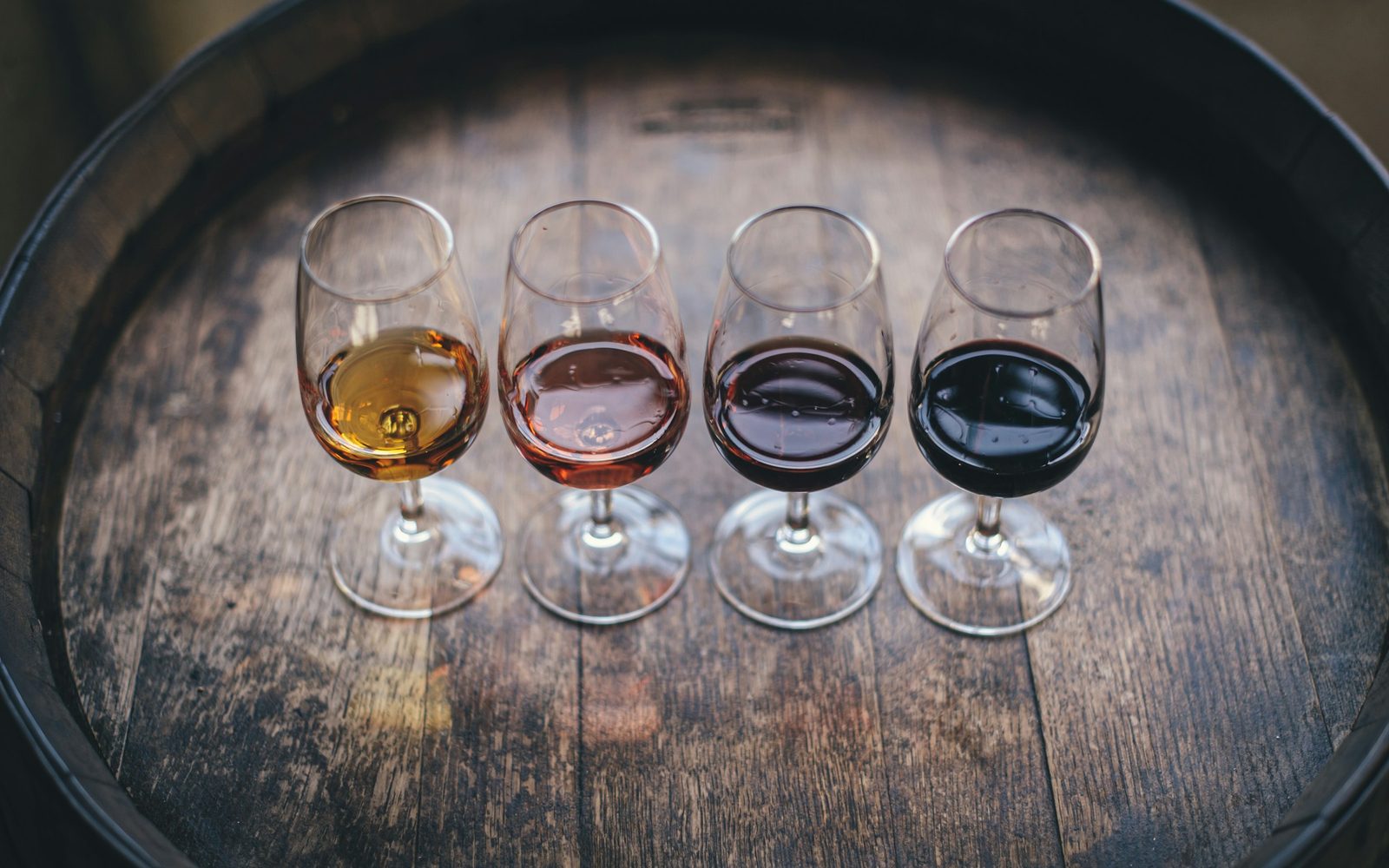
- Look: in neutral light, observe the colour, its depth and how thick the wine looks. About five seconds is enough.
- Smell: swirl the glass gently to release the aromas. Start with broad categories (fruit, flowers, spice, for example), then gradually narrow them down.
- Taste: take a small sip and feel the structure and flavours; after swallowing, notice how the taste changes.
- Think: is the wine balanced? Do you like it? What stands out most?
The three kinds of aroma
| Kind | Where it comes from | Examples |
|---|---|---|
| Primary | The grape variety and where it was grown | Fruit, flowers, herbs |
| Secondary | Fermentation and yeast | Bread, yeast, yoghurt, lactic notes |
| Tertiary | Ageing in oak barrels or in the bottle | Vanilla, nuts, dried fruit |
Structure
| Element | How you notice it | Good to know |
|---|---|---|
| Sweetness | Easiest to sense on the tip of the tongue | Dry wines generally have less than about 10 g/L of residual sugar; wines with high acidity taste less sweet |
| Acidity | Makes your mouth water and feel refreshed | Most wines have a pH of about 3–4 |
| Tannin | A drying sensation in the mouth, found mainly in red wine | Grape tannins feel coarser; oak tannins feel rounder |
| Alcohol | Gives body and a sense of warmth | Most table wines are about 5–16%, fortified wines about 17–21% |
| Body | How heavy the wine feels in your mouth | From light to full |
| Finish | How long the taste lingers after you swallow | Notice how it changes from the start, through the middle, to the end |
Useful words for describing wine
- Fruit: red berries, blackcurrant, lemon, green apple, tropical fruit
- Flowers: rose, violet
- Spice and more: pepper, vanilla, toast, nuts, leather
- Texture: crisp, round, full, astringent, smooth
Ways to practise
- Alternate short sniffs with long ones to pick out aromas beyond just "wine".
- Start with a larger sip so the wine fills your mouth, then take small sips to notice each flavour in turn.
- Compare two or three wines side by side; the differences are easier to spot.
- When there are too many aromas, smell your own forearm to reset your nose.
- Write tasting notes.
- Try blind tasting, guessing the grape, region or vintage.
- Taste at the right temperature and with the right glass, so the wine shows itself accurately. Room temperature in Hong Kong is often too high, so chill red wine a little before drinking.

About SenseCellar
- Every storage plan includes Hill 16 Club membership, so members can take a bottle from their locker and taste it with friends and family in the outdoor space.
- Members can add notes to every bottle in the StockVins App to record their tasting impressions.