Wine and food pairing for beginners: basic principles and common examples
The basic principle of pairing is to let wine and food balance each other. The wine should be no less acidic than the food, rich dishes suit wines with higher acidity or alcohol, and tannic red wines go best with fatty foods. If you are new to pairing, start with "wine and food from the same place", then experiment with the six elements below.


In this article
The six basic elements of pairing
| Element | Principle |
|---|---|
| Acidity | High-acid wines suit rich or slightly sweet dishes |
| Fat | Rich dishes need a wine with higher acidity or alcohol, or the wine will seem flat and heavy |
| Tannin (bitterness) | Tannic red wines suit fatty foods; slightly sweet food can also soften tannin |
| Salt | Saltiness shouldn't compete with the wine's acidity, so season with a light hand |
| Sweetness | Sweet food or wine needs some acidity to balance it |
| Alcohol | Wines with higher alcohol can balance rich or slightly sweet food |
Common ways to pair
- From the same place: wine and food from the same region are usually a safe starting point, such as Oregon Pinot Noir with a local cow's-milk cheese.
- Acid with acid: if the wine is less acidic than the food, the wine will seem flat. A vinaigrette salad with an oaked Chardonnay from a warm region, for example, easily falls out of balance.
- Sweet with salty: wines with some sweetness suit salty food, such as Riesling with fried rice or pad thai.
- Bitter with fat: tannic red wines suit fatty foods, such as Sangiovese with herbed potato cakes.
- Acid with fat: sparkling or high-acid wines cut through richness, such as sparkling wine with cheesecake.
- Alcohol with fat: wines with higher alcohol suit strongly flavoured dishes, such as a Zinfandel at about 17% with black pepper steak.
- Bitter with bitter (best avoided): two kinds of bitterness easily clash, so red wine with chocolate may not please.
How to experiment for yourself
- First identify the dish's strongest flavour: rich, salty, sweet, sour or bitter.
- Choose a wine by the principles in the table above; for a rich dish, for example, try a wine with higher acidity first.
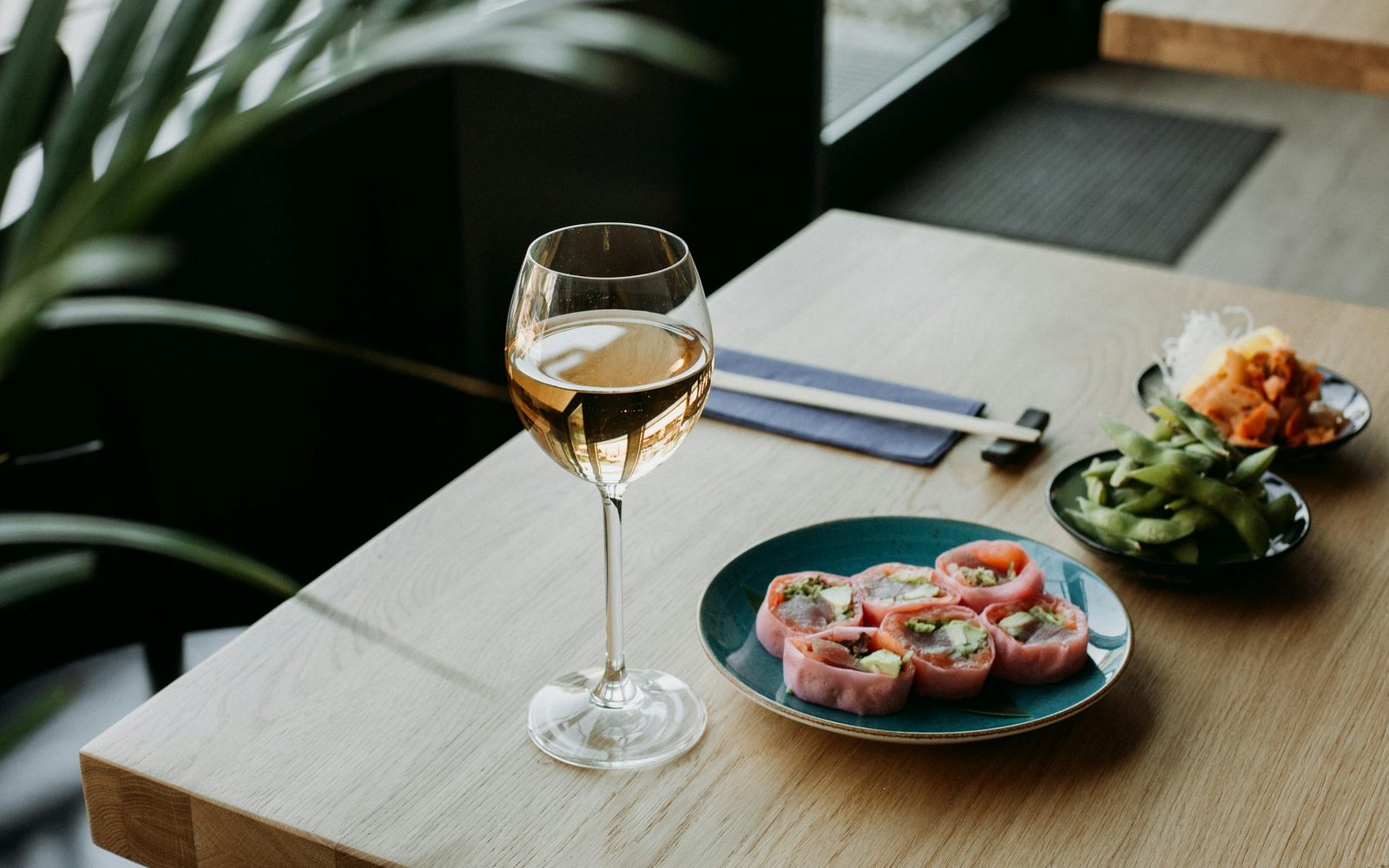
- Open two wines of different styles with the same meal and compare them side by side; the differences are easier to notice.
- Note down the pairings you like, and gradually build your own list.

About SenseCellar
- Members can see every bottle in their locker and where it is in the StockVins App, and choose the wine to go with dinner beforehand.
- Members can add notes to every bottle in the App to record the pairings they like.
Sources
- Wine Folly: Food and wine pairing basicswinefolly.com